Posted by Stella Sarem on November 6, 2026 at 11:58
So, you have a business idea.
Maybe it’s been sitting in your notes for months. Maybe you’ve already told your friends about it, designed a logo in your head, or worked out roughly what it would cost to get started. Or maybe you’re still at the very beginning, quietly wondering:
“Is this actually a good idea? Will people pay for it? And honestly… where do I even start?”
If that sounds familiar, you’re in good company. At The AVOCADO Foundation, we equip aspiring and existing entrepreneurs through the #WorldChangers Entrepreneurship Training Programme with the knowledge, skills and confidence they need to participate meaningfully in entrepreneurship and build sustainable businesses and we see the same pattern again and again: most people don’t start with a business plan, funding, or customers. They start with an idea and a lot of unanswered questions.
That’s completely normal. Starting a business doesn’t mean having every answer on day one. But it does mean asking the right questions before you put your time, money, and energy on the line.
So, before you spend a single pound on stock, branding, running ads or a website, let’s walk through this properly, together.
First: Fall in Love With the Problem, Not the Product
Here’s one of the most common mistakes new entrepreneurs make: becoming too attached to the thing they want to sell.
“I want to sell skincare.” “I want to start a fashion brand.” “I want to open a food business.”
Those are products. But businesses are built on problems.
Think about it. A customer buying a ready meal isn’t just buying food — they’re buying convenience because they don’t have time to cook. Someone paying for bookkeeping support isn’t just buying accounting services — they’re buying time, clarity, and fewer financial headaches. People don’t buy products because they exist. They buy because something is solved, saved, improved, or made easier.
So, before anything else, get honest with yourself: what problem does your idea actually solve? Who experiences that problem? How are they coping right now, and what’s frustrating about their current solution? Most importantly, is this a problem people are genuinely willing to pay to solve?
The clearer you are on the problem, the easier every other decision becomes.
And while we’re at it, let’s be specific about who has this problem. “Everyone” is not a customer. “Anyone who needs it” is not a target market. If you’re starting a clothing business, university students, young professionals, and wedding guests are all very different customers with different budgets, habits, and reasons to buy.
Try completing this sentence:
“I help ______ who struggle with ______ by providing ______.”
“I help busy young professionals who struggle to find affordable healthy meals by providing convenient, ready-to-eat lunches delivered to their workplace” is a business. “I sell food” is a hope.
Second: Don’t Assume People Want It. Test It.
Now for a truth that every entrepreneur needs to hear early:
An idea is not the same thing as demand.
You might love your idea. Your friends might say it’s amazing. Your family might encourage you to “go for it!” But none of that guarantees a stranger will hand over their money.
This is where most aspiring entrepreneurs get stuck, not because their idea is bad, but because they skip the testing stage and jump straight to spending. Before you invest heavily, find out if real people actually want what you’re offering. And testing doesn’t need to be complicated or expensive.
You can speak to potential customers about their current challenges. You can create a simple sample or prototype. You can take pre-orders, run a small pilot, or sell to a small group first. You can ask people — politely but directly — what they would realistically pay, and watch what they already buy and complain about.
The goal isn’t to hear “that’s a nice idea.” The goal is to discover “yes, I have this problem, and I would pay for a solution.” That difference is everything.
And while you’re testing, do a little market research. Not a 50-page report, just an honest look at who’s already offering something similar. Who are their customers? What are they charging? What do people love about them, and what do customers complain about?
Here’s the important part: having competitors does not mean you should abandon your idea. Sometimes competition is proof that a market exists. Your job is to figure out where you fit. Maybe you can offer more convenience, a more specific niche, a different price point, or a better experience for a group that’s being overlooked. You don’t always need to invent something entirely new, sometimes you just need to solve an existing problem better, differently, or for someone everyone else has ignored.
Third: Answer These 7 Questions Before You Launch
This is the part where we get really honest with ourselves. Before you launch, sit down and answer these seven questions, no fluff, no wishful thinking:
What problem am I solving? If you can’t explain it clearly, go back to the drawing board.
Who exactly am I solving it for? Be specific. A real person, not “everyone.”
Why would they pay for my solution? Interest is not the same as willingness to pay.
Who else is already solving this problem? Know your competitors, they’re your free market research.
What makes my offer different or valuable? “Because my product is good” isn’t an answer. Your competitors think theirs is good too.
What will it actually cost me to operate? Know your numbers before your numbers surprise you.
How will the business make money? If you can’t explain the revenue model, you’re not ready to scale.
Notice something about this list? It pulls everything together, the problem, the customer, the testing, the competition, and the money. If you can answer all seven honestly, you don’t just have an idea. You have the beginnings of a strategy.
And here’s your first engagement opportunity, #WorldChangers: which of these seven questions have you already answered for your business? Drop your answer in the comments or reply in our whatsapp group or on the hub, we’d genuinely love to hear where you are on the journey.
If you are not yet a WorldChanger and would like to bring our training to your community email us info@theavocadofoundation.org
Fourth: You Probably Don’t Need as Much Money as You Think
Now let’s talk about the biggest barrier of all: money.
It’s very easy to look at established businesses and assume you need a website, an office, professional branding, expensive equipment, large stock orders, paid ads, and a team before you can begin.
You don’t. At least, not necessarily.
The key is learning to separate what you need to start from what would be nice to have eventually. You need a way to deliver your product or service, a way to communicate with customers, and a simple way to receive payment. You probably don’t need an expensive office, premium software subscriptions, a complicated website, or a large advertising budget on day one.
Starting small doesn’t mean thinking small. It means being intentional with your resources.
Before asking “how much money do I need?”, flip the question: “what do I already have?” You may already have a valuable skill, industry knowledge, equipment, a phone, a network, social media access, and potential customers within your existing community. Your first version of the business doesn’t have to look like the final version. You’re allowed to start with what’s available and build from there.
And here’s a mindset shift that could save you thousands: don’t spend first and hope to sell later, test before you buy.
Where your business model allows it, take pre-orders. Offer a limited pilot. Collect deposits. Sell a small batch. Start with a service before building a full product. Test different price points. If the test tells you customers aren’t interested, that’s not failure — that’s information. It’s far better to learn that from a £50 test than after spending your entire startup budget.
Fifth: Understand the Money Side From Day One
This sounds obvious, but you’d be surprised how many people know what they want to sell without knowing how the business actually makes money.
So, ask yourself: What am I selling? Who is paying? How much, and how often? What does it cost me to deliver? And what is left over after those costs?
That last question matters more than anything, because revenue is not the same as profit. If you sell £1,000 worth of products but spend £800 producing and delivering them, you haven’t made £1,000. Understanding this from the beginning protects you from one of the most common traps in early business: confusing money coming in with money the business has actually made.
You don’t need a complicated spreadsheet, just a simple startup budget. List your one-off costs (registration, equipment, initial stock) and your ongoing costs (materials, transport, internet, marketing, packaging). Then be ruthless: which costs are essential, which can wait, which can be reduced, and which can be avoided altogether at this stage?
And learn one more number early: your break-even point, how much you need to sell before you cover your costs. If your monthly costs are £500 and each sale contributes £25 towards them, you need 20 sales a month to break even. Suddenly “I want to make more money” becomes “I need 20 sales to cover my costs, and 30 to grow” and that’s something you can actually work toward.
Finally, a word on funding. Grants, loans, and investors all have their place, but funding should never be your only plan, because funding doesn’t fix a weak business model. If customers don’t want your product, more money to produce it won’t save you. First, understand the customer. Test the offer. Know your numbers. Then decide what resources you need to grow.
One Last Thing: You Don’t Have to Look Like a Business to Start One
This one deserves its own conversation, because it quietly drains so many promising entrepreneurs.
Sometimes we spend money making the business look established before we’ve established whether the business actually works. Weeks go into the logo, the website, the branded packaging and after all that, there’s still no customer.
Your branding matters. Your professionalism matters. But they should support the business, not substitute for building one. Your first priority isn’t to look like a million-pound company. It’s to create something customers value and will pay for. Build the foundations first. Polish the presentation as you grow.
And please, don’t measure your start by followers or scale. If you’re starting from zero, your first goal isn’t 1,000 customers. It’s five real conversations. Then ten. Then your first three paying customers, your first piece of honest feedback, your first repeat buyer, your first referral.
Your first customer is not just revenue. They’re your best teacher. They’ll show you what people value, what they’d never pay for, what needs improving, and what would bring them back.
Your #WorldChangers Challenge
So here’s where the thinking stops and the doing begins.
If you have a business idea, whether it’s still in your head or already making sales, take 20 minutes this week and answer these five questions honestly:
What problem does my business solve?
Who exactly has this problem?
What are they currently doing to solve it?
Why would they choose my solution?
What is the smallest, lowest-cost way I can test my idea?
Then don’t just write the answers down. Test one of them.
Speak to a potential customer. Ask the question. Show them your offer. Try to make a sale. Get the feedback, even when it’s uncomfortable, especially when it’s uncomfortable.
Because here’s the truth we want every #WorldChanger to hold onto: you don’t need to know everything before you start. You don’t need perfect confidence, perfect funding, or a perfect logo. You need to begin intelligently – ask questions, test assumptions, listen to customers, track your money, and start with what you already have.
An idea becomes a business the moment you turn what you’ve learned into action.
Posted by Stella Sarem on November 6, 2026 at 11:52
Understanding the Main Types of Cybersecurity and Their Importance
Cybersecurity is a fundamental pillar for protecting data, devices, and systems from digital threats. Understanding the available types of cybersecurity allows you to adopt the necessary measures to maintain security across different environments. Here, we explain the main approaches you need to know.
MASTER CYBERSECURITY TODAY
Classification of Cybersecurity: How Many Types Are There?
Cybersecurity can be divided into seven main approaches, each with specific characteristics, ranging from network protection to physical security.
1️⃣ Network Security
Network security protects communication infrastructure, including routers, switches, servers, and connected devices, against internal and external threats. This is achieved through tools such as firewalls, which block unauthorized access, and intrusion detection/prevention systems (IDS/IPS), which identify and respond to suspicious activity in real-time.
Network segmentation further divides systems into secure zones, limiting attackers' lateral movement. These strategies are crucial in preventing attacks like ransomware, phishing, and data interception.
2️⃣ Application Security
Application security focuses on protecting software and applications from vulnerabilities, either during development or in everyday use. This includes analyzing source code for flaws, conducting penetration tests to simulate attacks, and applying continuous updates to address discovered weaknesses.
Tools such as Web Application Firewalls (WAF) monitor and filter web application traffic, ensuring protection against issues like SQL injection or misconfigurations.
3️⃣ Information Security
Information security aims to safeguard sensitive data in all its forms, whether stored on physical devices, transmitted across networks, or in virtual environments. Advanced encryption ensures that only authorized parties can access the data, while robust authentication methods, such as multi-factor authentication (MFA), secure access.
Clearly defined access policies prevent internal leaks and ensure compliance with regulations like GDPR or data protection laws.
4️⃣ Cloud Security
Cloud security protects data, applications, and services hosted on platforms such as Amazon Web Services (AWS), Microsoft Azure, and Google Cloud. Measures include encrypting data in transit and at rest, detailed access permission management, and constantly monitoring cloud activities to detect anomalies.
With increasing reliance on cloud services for critical information, this area ensures shared environments remain secure, preventing breaches that could affect multiple clients simultaneously.
5️⃣ Mobile Device Security
Mobile device security protects smartphones, tablets, and other portable devices that handle personal and corporate information. This is achieved through biometric authentication (e.g., fingerprints or facial recognition), mobile device management (MDM) solutions to control access and configurations, and security apps to scan for malware.
6️⃣ IoT Security
IoT security focuses on protecting connected devices, such as security cameras, smart thermostats, and industrial sensors. Strategies include network segmentation, limiting IoT device access to other parts of the infrastructure, and regular firmware updates to fix vulnerabilities. Secure design practices ensure resilience from the start.
7️⃣ Physical Security
Physical security is a crucial component of cybersecurity, protecting equipment and systems from damage, theft, or unauthorized access. This includes physical access controls like ID cards or biometrics, surveillance systems, and secure facility designs, such as protected server rooms.
Key Cybersecurity Areas for Comprehensive Protection
Exploring cybersecurity areas is essential for implementing complete protection strategies in organizations and personal environments.
Incident Response
This area focuses on detecting and mitigating threats in real-time. A well-structured contingency plan minimizes the impact of attacks.
Critical Infrastructure Protection
Systems like power grids, transportation, and healthcare depend on this cybersecurity area. Breaches could result in catastrophic consequences.
Identity and Access Management
Ensuring that only authorized individuals can access specific data or systems is crucial. Policies for secure passwords and multi-factor authentication are key pillars in this area.
CLICK TO LEARN MORE
Conclusion: The Importance of Understanding Cybersecurity Types
Understanding the types of cybersecurity helps make informed decisions to protect systems and data against digital threats. Each approach addresses a specific need, from networks to mobile devices. Implementing comprehensive strategies based on these areas strengthens digital protection and increases resilience to potential attacks.
Posted by Stella Sarem on November 6, 2026 at 11:50
The Importance of Cyber Security
Cybersecurity protects IT systems from malicious attacks, allowing businesses to maintain their services and keep sensitive data safe. Without an effective cybersecurity strategy, organizations become easy targets for cybercriminals looking to infiltrate their systems, manipulating them for their own gain.
The importance of cybersecurity in the current threat landscape cannot be understated. Globally, attacks are on the rise. Data from Check Point’s 2026 Cyber Security Report shows that organizations faced an average of 1,968 cyber attacks per week in 2025, an 18% year‑over‑year increase, continuing the sharp escalation seen in recent years. This rise is driven by expanding digital footprints that provide attackers with more exposed infrastructure to target, alongside the rapid evolution of a highly sophisticated and AI‑enabled cybercrime ecosystem.
Cyber Security Trends For 2026
The prevailing trends in cybersecurity often stem from a combination of reactions to prominent cyber threats, emerging technologies, and enduring security objectives. These represent some of the key trends and technologies that shape the landscape of cybersecurity in 2025:
AI Security– As organizations adopt AI copilots, custom applications, and agent-based systems across their environments, a new and complex threat landscape is emerging. These systems interact with sensitive data, external tools, and users, creating risks such as data leakage, prompt injection, model manipulation, and abuse of automated actions.
To address these challenges, AI security platforms are emerging to provide unified protection across the entire AI stack. An AI security platform typically delivers visibility, governance, and runtime protection.
Hybrid Mesh Network Security– Hybrid Mesh Network Security is a flexible architecture that embeds security enforcement wherever it makes the most sense – on premises, in the cloud, at the edge, and on the user device – while managing everything through a unified platform. ybrid Mesh Network Security architecture delivers consistent, intelligent protection for every user, device, application, and workload, whether on premises, remote, or on any cloud.
Exposure Management –Exposure management helps organizations identify, prioritize, and remediate security risks across their internal systems and external attack surfaces. Instead of only detecting vulnerabilities, it focuses on reducing real-world risk by continuously discovering exposed assets, misconfigurations, identity risks, and potential entry points that attackers could exploit.
Modern exposure management platforms combine asset discovery, threat intelligence, contextual risk analysis, and safe remediation capabilities to determine which exposures truly matter and help security teams fix them quickly without disrupting business operations. By connecting visibility with action, exposure management enables organizations to continuously reduce their attack surface and prevent threats before they are exploited.
Workspace Security – A Workspace Security Platform protects users, identities, devices, email, collaboration tools, and access across the modern hybrid workforce. The modern workspace is no longer defined by a network perimeter. Employees work across cloud applications, endpoints, browsers, email and mobile devices. Attackers follow users across these surfaces, exploiting fragmentation between tools.
Workspace Security Platform delivers tightly integrated, prevention-first security across the workspace, combining consolidated protection pillars, automation, and AI-driven intelligence, managed through a unified platform and open ecosystem.
Comprehensive Protection- Companies now confront a broader spectrum of threats and potential attack vectors than in previous times. Cyber threat actors possess the capability to exploit vulnerabilities in conventional endpoints, mobile devices, IoT systems, and remote work infrastructure. The increased complexity in monitoring and securing a multitude of systems heightens the likelihood of oversight by security teams, potentially granting attackers access to their systems.
The Different Types of Cybersecurity
Cyber security is a wide field covering several disciplines. It can be divided into seven main pillars:
1. Network Security
Most attacks occur over the network, and network security solutions are designed to identify and block these attacks. These solutions include data and access controls such as Data Loss Prevention (DLP), IAM (Identity Access Management), NAC (Network Access Control), and NGFW (Next-Generation Firewall) application controls to enforce safe web use policies.
Advanced and multi-layered network threat prevention technologies include IPS (Intrusion Prevention System), NGAV (Next-Gen Antivirus), Sandboxing, and CDR (Content Disarm and Reconstruction). Also important are network analytics, threat hunting, and automated SOAR (Security Orchestration and Response) technologies.
2. Cloud Security
As organizations increasingly adopt cloud computing, securing the cloud becomes a major priority. A cloud security strategy includes cyber security solutions, controls, policies, and services that help to protect an organization’s entire cloud deployment (applications, data, infrastructure, etc.) against attack.
While many cloud providers offer security solutions, these are often inadequate to the task of achieving enterprise-grade security in the cloud. Supplementary third-party solutions are necessary to protect against data breaches and targeted attacks in cloud environments.
3. Endpoint Security
The zero-trust security model prescribes creating micro-segments around data wherever it may be. One way to do that with a mobile workforce is using endpoint security. With endpoint security, companies can secure end-user devices such as desktops and laptops with data and network security controls, advanced threat prevention such as anti-phishing and anti-ransomware, and technologies that provide forensics such as endpoint detection and response (EDR) solutions.
4. Mobile Security
Often overlooked, mobile devices such as tablets and smartphones have access to corporate data, exposing businesses to threats from malicious apps, zero-day, phishing, and IM (Instant Messaging) attacks. Mobile security prevents these attacks and secures the operating systems and devices from rooting and jailbreaking. When included with an MDM (Mobile Device Management) solution, this enables enterprises to ensure only compliant mobile devices have access to corporate assets.
5. IoT Security
While using Internet of Things (IoT) devices certainly delivers productivity benefits, it also exposes organizations to new cyber threats. Threat actors seek out vulnerable devices inadvertently connected to the Internet for nefarious uses such as a pathway into a corporate network or for another bot in a global bot network.
IoT security protects these devices with discovery and classification of the connected devices, auto-segmentation to control network activities, and using IPS as a virtual patch to prevent exploits against vulnerable IoT devices. In some cases, the firmware of the device can also be augmented with small agents to prevent exploits and runtime attacks.
6. Application Security
Web applications, like anything else directly connected to the Internet, are targets for threat actors. Since 2007, OWASP has tracked the top 10 threats to critical web application security flaws such as injection, broken authentication, misconfiguration, and cross-site scripting to name a few.
With application security, the OWASP Top 10 attacks can be stopped. Application security also prevents bot attacks and stops any malicious interaction with applications and APIs. With continuous learning, apps will remain protected even as DevOps releases new content.
7. Zero Trust
The traditional security model is perimeter-focused, building walls around an organization’s valuable assets like a castle. However, this approach has several issues, such as the potential for insider threats and the rapid dissolution of the network perimeter.
As corporate assets move off-premises as part of cloud adoption and remote work, a new approach to security is needed. Zero trust takes a more granular approach to security, protecting individual resources through a combination of micro-segmentation, monitoring, and enforcement of role-based access controls.
8. GenAI Security
A newer type of cybersecurity, GenAI security provides protection against the use and integration of generative AI tools. The widespread adoption of generative AI in recent years has produced many new attack vectors for cybercriminals to exploit. These threats have become so significant that OWASP has developed the Gen AI Security Project to provide resources for organizations utilizing the tools. This includes a list of the top 10 risk and mitigations for LLMs and Gen AI Apps.
Given the continued growth in generative AI use, businesses looking to take advantage of this technology must develop specific security practices and guidelines. This includes preventing unauthorized data access when sharing sensitive business information with external models and protections for integrating GenAI models into internally developed applications.
9. SASE
Secure Access Service Edge (SASE) combines both networking and security into a single, unified platform based on cloud-delivered services. This streamlines previously disconnected infrastructure, allowing organizations to integrate network and access control capabilities. Placing network controls at the edge rather than centralized infrastructure also provides simpler access controls for any user, regardless of location.
SASE can be thought of as a combination of a Software-Defined Wide Area Network (SD-WAN) with modern security technologies such as:
Secure Web Gateway (SWG)
Cloud Access Security Broker (CASB)
Firewall-as-a-Service (FWaaS)
Zero Trust Network Access (ZTNA)
By incorporating a range of security capabilities, SASE provides comprehensive protection regardless of network deployment. Plus, as a cloud-native framework, SASE provides organizations with added flexibility and scalability to adapt to their requirements.
10. Managed Security Services (MSS)
Managed Security Services (MSS) is a form of cybersecurity delivered and operated by a third-party provider. By outsourcing cybersecurity, organizations can receive dedicated services from subject matter experts who remain up-to-date on the latest trends and developments in the field. Additionally, businesses do not have to develop their own internal security teams and resources to ensure that protections are in place.
MSS security capabilities vary depending on the vendor but can include real-time monitoring for threats, vulnerability assessments, and remediation processes to limit the impact of an attack. These services are typically provided via consumption-based pricing.
11. AI Security
AI Security pillar protects the full AI stack: employee AI usage, enterprise applications and agents, and the models, data, and infrastructure that power them:
AI agent security – Runtime visibility and protection for AI applications and agents
Workforce AI Security – Discovery, governance, and runtime defense for employee AI usage
AI Red Teaming – Adversarial and risk-based threat assessments
Check Point AI Factory Firewall – Securing AI data center infrastructure
Key Aspects of Cyber Security
While there are many different types of cybersecurity, key aspects and common practices are common across many of them. These include:
Protections
Actively implementing security tools and controls to safeguard systems, networks, and data from cyber threats. This includes a range of potential technologies such as firewalls, antivirus software, encryption, access controls, and many more. In response to more sophisticated threats, cybersecurity protections now often involve multiple layers that introduce redundancies to ensure enterprise IT remains safe if one tool is bypassed.
Monitoring
Observing data from security and networking tools to identify activity indicative of malicious behavior. Many cybersecurity solutions combine data from many sources into a single interface. This prevents data silos and enables decision-making based on all the information available. Modern solutions incorporate machine learning-based analysis to monitor network activity and develop a model for expected safe activities. Once the technology has established a baseline for regular activity, it can send alerts or automate enhanced protections if suspicious actions beyond expected behavior occur.
Incident Response
Responding to attacks in order to minimize their effects and ensure business continuity. Incident response plans outline ahead of time the actions that should be taken in the event of an attack. This includes methods to identify and understand the attack and mitigate its impact. Examples include enhanced access controls in the event of a compromised account or quarantining potential malware on the network.
Training
Educating staff and developing a cybersecurity culture that promotes best practices to prevent future attacks. Training is often based on security awareness and how to identify suspicious communications (e.g., phishing emails or other social engineering vectors).
Risk Management
Identifying, categorizing, and prioritizing potential risks in an enterprise network. Risk management allows organizations to reduce the impact of vulnerabilities while understanding what they could lead to if exploited in a cyberattack. Risk management typically involves risk assessments, threat modeling, vulnerability scans, penetration testing, and update management.
Governance
Defining and documenting cybersecurity policies and practices across the entire organization. Proper governance procedures allow organizations to better track and enforce their security controls. Other important aspects of cybersecurity governance include classifying datasets based on their sensitivity and performing compliance audits to ensure businesses adhere to the relevant regulations.
The Evolution of the Cyber Security Threat Landscape
Gen V Attacks
The cyber security threat landscape is continually evolving, and, occasionally, these advancements represent a new generation of cyber threats. To date, we have experienced five generations of cyber threats and solutions designed to mitigate them, including:
Gen I (Virus): In the late 1980s, virus attacks against standalone computers inspired the creation of the first antivirus solutions.
Gen II (Network): As cyberattacks began to come over the Internet, the firewall was developed to identify and block them.
Gen III (Applications): Exploitation of vulnerabilities within applications caused the mass adoption of intrusion prevention systems (IPS)
Gen IV (Payload): As malware became more targeted and able to evade signature-based defenses, anti-bot and sandboxing solutions were necessary to detect novel threats.
Gen V (Mega): The latest generation of cyber threats uses large-scale, multi-vectors attacks, making advanced threat prevention solutions a priority.
Each generation of cyber threats made previous cyber security solutions less effective or essentially obsolete. Protecting against the modern cyber threat landscape requires Gen V cyber security solutions.
Supply Chain Attacks
Historically, many organizations’ security efforts have been focused on their own applications and systems. By hardening the perimeter and only permitting access to authorized users and applications, they try to prevent cyber threat actors from breaching their networks.
Recently, a surge in supply chain attacks has demonstrated the limitations of this approach and cybercriminals’ willingness and ability to exploit them. Incidents like the SolarWinds, Microsoft Exchange Server, and Kaseya hacks demonstrated that trust relationships with other organizations can be a weakness in a corporate cyber security strategy. By exploiting one organization and leveraging these trust relationships, a cyber threat actor can gain access to the networks of all of their customers.
Protecting against supply chain attacks requires a zero trust approach to security. While partnerships and vendor relationships are good for business, third-party users and software should have access limited to the minimum necessary to do their jobs and should be continually monitored.
Ransomware
While ransomware has been around for decades, it only became the dominant form of malware within the last few years. The WannaCry ransomware outbreak demonstrated the viability and profitability of ransomware attacks, driving a sudden surge in ransomware campaigns.
Since then, the ransomware model has evolved drastically. While ransomware used to only encrypt files, it now will steal data to extort the victim and their customers in double and triple extortion attacks. Some ransomware groups also threaten or employ Distributed Denial of Service (DDoS) attacks to incentivize victims to meet ransom demands.
The growth of ransomware has also been made possible by the emergence of the Ransomware as a Service (RaaS) model, where ransomware developers will provide their malware to “affiliates” to distribute in exchange for a piece of the ransom. With RaaS, many cybercrime groups have access to advanced malware, making sophisticated attacks more common. As a result, ransomware protection has become an essential component of the enterprise cyber security strategy.
Phishing
Phishing attacks have long been the most common and effective means by which cybercriminals gain access to corporate environments. It is often much easier to trick a user into clicking a link or opening an attachment than it is to identify and exploit a vulnerability within an organization’s defenses.
In recent years, phishing attacks have only grown more sophisticated. While the original phishing scams were relatively easy to detect, modern attacks are convincing and sophisticated to the point where they can be virtually indistinguishable from legitimate emails.
Employee cyber security awareness training is not enough to protect against the modern phishing threat. Managing the risk of phishing requires cyber security solutions that identify and block malicious emails before they even reach a user’s inbox.
Further, organizations must protect their trademarked brands and logos from being abused on phishing sites. Threat actors often fool unsuspecting victims into giving up credentials, credit card details, and other sensitive data, by creating fraudulent website that impersonate a trusted brand. Large enterprises can continuously monitor, detect, and takedown threats like this with a comprehensive external cyber risk management solution.
Malware
The different generations of cyberattacks have been defined mainly by the evolution of malware. Malware authors and cyber defenders are playing a continual cat and mouse game, where attackers try to develop techniques that overcome or bypass the latest in security technology. Often, when they succeed, a new generation of cyberattacks is created.
Modern malware is swift, stealthy, and sophisticated. The detection techniques used by legacy security solutions (such as signature-based detection) are no longer effective, and, often, by the time security analysts have detected and responded to a threat, the damage is already done.
Detection is no longer “good enough” to protect against malware attacks. Mitigating the threat of Gen V malware requires cyber security solutions focused on prevention, stopping the attack before it begins and before any damage is done.
The Need for a Consolidated Cyber Security Architecture
In the past, organizations could get by with an array of standalone security solutions designed to address specific threats and use cases. Malware attacks were less common and less sophisticated, and corporate infrastructures were less complex.
Today, cyber security teams are often overwhelmed while trying to manage these complex cyber security architectures. This is caused by a number of factors, including:
Sophisticated Attacks: Modern cyberattacks can no longer be detected with legacy approaches to cyber security. More in-depth visibility and investigation is necessary to identify campaigns by advanced persistent threats (APTs) and other sophisticated cyber threat actors.
Complex Environments: The modern corporate network sprawls over on-prem infrastructure and multiple cloud environments. This makes consistent security monitoring and policy enforcement across an organization’s entire IT infrastructure much more difficult.
Heterogeneous Endpoints: IT is no longer limited to traditional desktop and laptop computers. Technological evolution and bring your own device (BYOD) policies make it necessary to secure a range of devices, some of which the company does not even own.
Rise of Remote Work: The response to the COVID-19 pandemic demonstrated that remote and hybrid work models were viable for many companies. Now, organizations need solutions that allow them to effectively protect the remote workforce as well as on-site employees.
Trying to solve all of these challenges with an array of disconnected solutions is unscalable and unsustainable. Only by consolidating and streamlining their security architectures can companies effectively manage their cyber security risk.
A new approach to cybersecurity architecture that provides more modern, flexible security capabilities is a hybrid mesh architecture. These solutions are designed to be integrated across different IT environments, from on-prem to the cloud and network edge. Cybersecurity mesh architecture (CSMA) utilizes cloud-based centralized management for all deployments while integrating DevSecOps, application visibility, and advanced threat prevention for IoT and DNS attacks.
Examples of hybrid mesh cybersecurity architecture include Check Point’s Hybrid mesh firewalls that integrate multiple firewall form factors into a single unified management interface to secure hybrid, distributed environments.
Achieving Comprehensive Cybersecurity with Check Point
Modern cybersecurity can no longer rely on disconnected tools added over time. In the AI era, organizations need a prevention-first security architecture that is unified, intelligent, and designed to protect both traditional infrastructure and emerging AI-driven environments. Rather than increasing complexity, security must be re-engineered to operate cohesively across hybrid networks, workspaces, cloud environments, and AI systems.
Check Point helps organizations secure their AI transformation through an integrated, open platform built around four strategic pillars:
Hybrid Mesh Network Security: Unified protection across data centers, hybrid cloud, internet, branches, and SASE environments with consistent, AI-powered prevention and control.
Workspace Security: Securing endpoints, mobile devices, email, browsers, SaaS applications, and remote access where users increasingly interact with AI technologies.
Exposure Management: Continuous visibility across the entire attack surface, enabling organizations to prioritize real risk and reduce exposure through intelligence-driven remediation.
AI Security: Purpose-built protection for AI usage, applications, autonomous agents, models, and the data and infrastructure powering enterprise AI adoption.
These capabilities are delivered through Check Point’s open, prevention-first platform, designed to integrate with the broader security ecosystem while simplifying operations and enabling organizations to innovate safely with AI
To learn more about the threats that Check Point solutions can help to protect against, check out the Check Point cyber security report . You’re also welcome to see Check Point’s solutions in action for yourself with a demo and try them in your own environment with a free trial.
Posted by Stella Sarem on November 5, 2026 at 12:34
Risk management is the process of identifying, assessing and controlling threats to an organization’s capital, operations and financial performance. These risks stem from various sources, including economic fluctuations, financial uncertainties, legal liabilities, technology issues, management errors, workplace accidents and natural disasters.
A successful risk management program helps an organization consider the full range of risks it faces. Risk management also examines the relationship between different types of business risks and the cascading impact they could have on an organization’s strategic goals.
Because of its emphasis on understanding and managing risk across an organization, this holistic approach is called enterprise risk management. In addition to a focus on internal and external risk threats, ERM emphasizes the importance of managing positive risks. These are opportunities that could increase business value or, conversely, damage an organization if not taken, as the companies disrupted by Amazon, Netflix and other born-digital powerhouses can attest.
Indeed, the aim of any risk management program is not to eliminate all risk but to make smart risk decisions.
“We don’t manage risks so we can have no risk. We manage risks so we know which risks are worth taking, which ones will get us to our goal,” said Forrester Research principal analyst Alla Valente, who specializes in ERM; governance, risk and compliance (GRC); and other risk-related topics.
This guide to risk management provides a comprehensive overview of the key concepts, requirements, tools and trends driving this dynamic field. It also offers guidance for risk and business leaders on the risk management process and how to implement an ERM program. Throughout, hyperlinks connect to other articles that deliver more in-depth information on the topics covered here.
Why is risk management important?
Risk management is critical to business success -- arguably more so now than ever before. The risks that modern organizations face have grown more complex, fueled by the rapid pace of globalization. New risks constantly emerge, often related to the now-pervasive use of technology. Climate change has been dubbed a “threat multiplier” by risk experts. Many organizations are still grappling with some of the risks posed by the COVID-19 pandemic. That includes the ongoing need to manage remote or hybrid work environments and what can be done to make supply chains less vulnerable to disruptions.
Keep up with the story. Subscribe to the free TechTarget Cybersecurity newsletter
Email:Sign up
As a result, a risk management program should be intertwined with organizational strategy. To link them, risk management leaders must first define the organization’s risk appetite -- that is, the amount of risk it’s willing to accept to realize its business objectives. Some risks will fit within the risk appetite and be accepted with no further action necessary. Others will be mitigated to reduce the potential negative effects, shared with or transferred to another party, or avoided altogether.
In many companies, business executives and the board of directors have recognized the need for more effective risk management and are taking a fresh look at their programs. Organizations are reassessing their risk exposure and risk appetite, examining risk processes and reconsidering who should be involved in risk management. Companies that previously took a reactive approach to risk management -- guarding against past risks and changing practices only after a new risk causes harm -- are seeking the competitive advantages of a more proactive ERM approach. There’s heightened interest in supporting business sustainability, resiliency and agility through risk management initiatives. Companies are also exploring how AI technologies and sophisticated GRC platforms can improve risk management.
https://www.techtarget.com/rms/onlineimages/risk_exposure_at_a_glance-f.png 1280w" alt="Graphic summarizing what risk exposure is and why it is important." width="559" height="274" />
Here’s a primer on risk exposure in an organization and how it’s calculated.
Risk management in financial services vs. other industries
Many experts note that managing risk is a formal function at companies that are heavily regulated and have a risk-based business model. Banks and insurance companies, for example, have long had large risk departments typically headed by a chief risk officer (CRO), a title still relatively uncommon outside of the financial industry. Moreover, the risks that financial services companies face tend to be rooted in numbers. Therefore, they can be quantified and effectively analyzed using known technology and mature methods. Risk scenario modeling and scenario analysis can be done with some precision.
Read More in Cybersecurity
For other industries, risk tends to be more qualitative. That increases the need for a deliberate, thorough and consistent approach to risk management, said Gartner practice vice president Matt Shinkman, who leads the consulting firm’s risk management and audit practices. “Enterprise risk management programs aim to help these companies be as smart as they can be about managing risk.”
Risk management process
One of the best-known risk management resources is the ISO 31000 standard developed by the International Organization for Standardization, which goes by the acronym ISO worldwide. ISO 31000:2018, the standard’s current version, outlines a risk management process that can be used by any type of entity and includes the following core steps:
Identify the risks faced by your organization.
Analyze the likelihood and possible impact of each one.
Evaluate and prioritize the risks based on business objectives.
Treat -- or respond to -- the risk conditions.
Monitor the results of risk controls and adjust as necessary.
https://www.techtarget.com/rms/onlineimages/the_five_step_risk_management_process-f.png 1280w" alt="Visual that lists the five core steps of the risk management process" width="559" height="400" />
These are the key steps to take to identify, evaluate and manage risks.
These steps sound straightforward, but risk management committees set up to lead initiatives shouldn’t underestimate the work required to complete the process. For starters, a solid understanding of what makes the organization tick is needed. To obtain that, the ISO 31000 process also includes an upfront step to establish the scope of risk management efforts, the business context for them and a set of risk criteria. The goal is to know how each identified risk relates to the maximum risk the organization is willing to accept and what risk management actions should be taken to preserve and enhance organizational value. Developing an internal communication plan is another key foundational step.
Document business impacts and create a risk register
By definition, something is only a risk if it has a potential business impact, said Greg Witte, president of advisory services firm Palydin LCC and an architect of frameworks developed by NIST on cybersecurity, privacy, workforce and other risks.
In identifying risk scenarios, many risk management committees find it useful to take a combined top-down and bottom-up approach, Witte said. In the top-down exercise, leadership identifies the organization’s mission-critical processes and works with internal and external stakeholders to determine the conditions that could impede them. The bottom-up perspective starts with the threat sources -- cyberattacks, economic downturns, earthquakes, etc. -- and considers their potential impact on critical assets.
Organizations typically record their findings in a risk register, which helps track the risks through the subsequent steps of the risk management process. Risk registers include information about the likelihood of different risks affecting an organization and their potential business impact. They also document risk response plans, risk owners and stakeholders, and the cost of managing risks. A downloadable risk register template can be found in the article linked to above.
https://www.techtarget.com/rms/onlineimages/risk_registers_deliver_many_organizational_benefits-f.png 1280w" alt="Chart that lists and explains the potential benefits of using a risk register as part of a risk management program" width="560" height="319" />
Companies can gain these benefits by using a risk register as part of their risk management programs.
Risk management standards and frameworks
As government and industry compliance rules have expanded over the past two decades, regulatory and board-level scrutiny of corporate risk management practices have also increased. That makes risk analysis, internal audits, risk assessments and other risk management functions a major component of business strategy. How can an organization put this all together?
Risk management frameworks developed by standards bodies and other entities can help. Here’s a sampling of them, starting with brief descriptions of the two most widely recognized ones, ISO 31000 and the COSO ERM framework offered by the Committee of Sponsoring Organizations of the Treadway Commission, better known as COSO:
COSO ERM framework. Launched in 2004, this was updated in 2017 to address the increasing complexity of ERM and highlight the importance of embedding risk considerations into business strategies and of linking risk management and operational performance. It’s part of a group of complementary COSO frameworks that also includes an internal control one, first published in 1992, and a new corporate governance framework that’s currently in draft form. The risk management one defines key ERM concepts and principles, suggests a common ERM language and provides clear directions for managing risk. Developed by consulting firm PwC with input from COSO’s five member organizations and external advisors, the updated framework is a set of 20 principles organized into these five interrelated components of a risk management program:
Governance and culture.
Strategy and objective-setting.
Performance.
Review and revision.
Information, communication and reporting.
ISO 31000. Released in 2009 and revised in 2018, the ISO standard includes a list of ERM principles, a framework to help organizations apply risk management mechanisms to operations, and the process detailed above for identifying, evaluating and mitigating risks. Developed by ISO’s risk management technical committee with input from ISO national member bodies, ISO 31000:2018 is a shorter and more concise document than its predecessor and includes more strategic guidance on ERM. The newer version also emphasizes the important role of senior management in risk programs and the integration of risk management practices throughout the organization.
Some national standards bodies and groups have also released country-specific versions of ISO 31000. For example, the American National Standards Institute offers a version that’s overseen by the American Society of Safety Professionals. Likewise, the British Standards Institution offers a U.K. version along with BS 31100, a risk management code of practice that provides a process for implementing concepts described in ISO 31000:2018 -- including functions such as identifying, assessing and responding to risks, and then reporting on and reviewing risk management activities.
Other frameworks that focus specifically on IT and cybersecurity risks are also available. They include NIST’s Risk Management Framework, which details a seven-step process for integrating information security and data privacy risk management initiatives into the system development lifecycle. There’s also the ISACA professional association’s COBIT 2019, an information and technology governance framework that supports IT risk management efforts.
In addition, various risk maturity models can be used to benchmark risk management capabilities and assess their maturity levels. The most prominent one is the Risk and Insurance Management Society’s Risk Maturity Model (RMM), which was developed in 2005 with software vendor LogicManager and updated in 2022. The revamped RMM helps risk professionals assess their programs in five categories: strategy alignment; culture and accountability; risk management capabilities; risk governance; and analytics. Other risk maturity models are available from the ProSight Financial Association and the Organisation for Economic Co-operation and Development’s Forum on Tax Administration.
The three lines model developed by the Institute of Internal Auditors (IIA) offers another type of standardized approach to support governance and risk management initiatives. Originally called the three lines of defense before being renamed in 2020, the IIA’s model outlines the different roles that business executives, risk and compliance managers and internal auditors should play in risk management efforts. It also calls for a governing body to provide oversight and accountability.
Traditional risk management vs. enterprise risk management
Traditional risk management often gets a bad rap compared to enterprise risk management. Both approaches aim to mitigate risks that could harm organizations. Both involve buying insurance to protect against a range of risks, from losses due to fire and theft to cybersecurity liability covered by cyber insurance. Both adhere to guidance provided by major standards bodies. But traditional risk management, experts argue, lacks the mindset and mechanisms required to understand risk as an integral part of enterprise strategy and performance.
Risk averse is another trait of organizations with traditional risk management programs. For many companies, “risk is a dirty four-letter word -- and that’s unfortunate,” Valente said. “In ERM, risk is looked at as a strategic enabler versus the cost of doing business.”
“Siloed” vs. holistic is one of the big distinctions between the two approaches, according to Shinkman. In traditional programs, managing risk has typically been the job of the business leaders in charge of the units where the risk resides. For example, the CFO is responsible for managing financial risk, the COO for operational risk, the chief compliance officer for compliance risk and so on.
Departments and business units might have sophisticated systems in place to manage their various types of risks. But Shinkman explained that a company can still run into trouble by failing to see the relationships among risks or their cumulative impact on business operations. It’s difficult to successfully manage strategic risks that could prevent the organization from achieving its overall business goals. Traditional risk management also tends to be reactive.
In enterprise risk management, managing risk is a collaborative, cross-functional and big-picture effort. An ERM team debriefs business unit leaders and staff about risks in their areas and helps them think through the risks. The team then collates information about all the risks and presents it to senior executives and the board. Having credibility across the enterprise is a must for ERM leaders, Shinkman said.
These types of risk managers increasingly come from a consulting background or have a “consulting mindset,” he said, and they possess a deep understanding of the mechanics of business. In addition, the chief risk officer or other head of an enterprise risk management team commonly reports to the CEO -- an acknowledgement that managing risk is part and parcel of business strategy.
Forrester makes a distinction between the “transactional CROs” typically found in traditional risk management programs and the “transformational CROs” who take an ERM approach. The former work at companies that see risk management as an insurance policy, according to Forrester. Transformational CROs focus on their company’s brand reputation, understand the horizontal nature of risk and view ERM as a way to enable the “proper amount of risk needed to grow,” as Valente put it.
Risk management glossary
Many terms are used to define the various aspects and attributes of risk management. Click on the hyperlinks below to learn more about some useful terms to know.
Effectively managing risks brings many benefits to an organization, including the following:
Increased risk awareness across the organization.
More confidence in organizational objectives and goals because risk is factored into strategy.
Better and more efficient compliance with regulatory and internal mandates.
Improved operational efficiency through more consistent application of risk processes and controls.
Improved workplace safety and security.
A competitive advantage over business rivals with less mature risk management programs.
What are the challenges of risk management?
Risk initiatives also present various challenges, even for companies with mature GRC and risk management strategies. The following are some of the challenges risk management teams should expect to encounter:
Expenditures go up initially, as risk management programs can require expensive software and services, plus the hiring of risk management practitioners.
The increased emphasis on risk governance also requires business units to invest time and money to comply with the risk management policy.
Reaching consensus on the severity of risk and how to treat it can be complicated and contentious, sometimes leading to risk analysis paralysis.
It’s difficult to demonstrate the value of risk management to executives without being able to give them hard ROI numbers.
The breadth of the risk categories managed in an ERM program can be daunting. Some other examples include data risk, which involves sensitive information that needs to be safeguarded, and conduct risk, which covers potential illegal or unethical actions by a company and its employees. Human risk management addresses another category that’s related to conduct risk but aims to prevent cybersecurity incidents caused by the behavior of executives or workers.
How to build and implement a risk management plan
A risk management plan describes how an organization will manage risk. It lays out the organization’s approach to identifying, assessing, responding to and monitoring risks. Other common elements include the roles and responsibilities of risk management teams, resources that will be used in the risk management process, documentation measures, and internal risk policies and procedures. Organizations that don’t develop a formal plan for managing risk “essentially leave their success to chance,” said Donald Farmer, principal at advisory services firm TreeHive Strategy.
ISO 31000’s overall seven-step process is a useful guide to follow for developing a plan and then implementing an ERM framework, according to Witte. Here’s a more detailed rundown of its components:
Communication and consultation. Raising risk awareness is an essential part of risk management. The communication plan developed by risk leaders must effectively convey the organization’s risk policies and procedures to employees and other relevant parties. This step sets the tone for risk-related decisions at every level.
Establishing the scope and context. This step requires defining both the organization’s risk appetite and risk tolerance. The latter term refers to how much the risks associated with specific initiatives can vary from the overall risk appetite. Factors to consider here include business objectives, company culture, regulatory requirements and the political environment, among others.
Risk identification. This step defines the risk scenarios that could have a positive or negative impact on the organization’s ability to conduct business. Effective risk identification is a crucial part of proactively managing risks. As noted above, the resulting list should be recorded in a risk register and kept up to date.
Risk analysis. The likelihood and potential impact of each risk are analyzed to help sort the various risks for management. Making a risk heat map can be useful here. Also known as a risk assessment matrix, it provides a visual representation of the nature and impact of risks. An employee calling in sick, for example, is a high-probability event that has little or no impact on most companies. An earthquake is an example of a low-probability event with high-risk impact.
https://www.techtarget.com/rms/onlineimages/example_of_a_color_coded_risk_assessment_matrix-f.png 1280w" alt="Visual that shows an example of a color-coded risk assessment matrix" width="559" height="442" />
Different business risks can be plotted on a matrix or heat map, like this, to help analyze them.
Risk evaluation. Here is where the organization assesses risks and decides how to respond to them through the following approaches:
Risk avoidance, when the organization seeks to eliminate the potential risk.
Risk mitigation, in which the organization takes actions to limit or optimize a risk.
Risk sharing or risk transfer, which involve contracting with a third party (e.g., an insurer or a supplier) to bear some or all costs of a risk, if it occurs.
Risk acceptance, when a risk falls within the organization’s risk appetite and tolerance levels and is accepted without taking any risk reduction measures.
Risk treatment. This step involves applying the risk controls and procedures agreed upon during the evaluation phase.
Monitoring and review. Are the risk controls and treatment actions working as intended? Can they be improved? To answer those questions as part of an ongoing review process, risk monitoring activities should measure the performance of risk management efforts and examine key risk indicators that might trigger a change in strategy.
https://www.techtarget.com/rms/onlineimages/4_types_of_strategies_to_manage_risk-f.png 1280w" alt="Graphic that lists and explains the four primary strategies for managing different risks" width="560" height="297" />
These are the four approaches that organizations can use to manage different business risks.
Risk management best practices
ISO 31000’s eight principles of risk management are also a good starting point for organizations on best practices for managing risk. According to the ISO standard, a risk management program should meet the following objectives to help create and protect business value:
Be integrated into overall organizational processes.
Be systematic, structured and comprehensive.
Be based on the best available information.
Be tailored to individual projects.
Account for human and cultural factors, including potential errors.
Be transparent and all-inclusive.
Be dynamic and adaptable to change.
Be continuously monitored and improved upon.
A key first step is creating a strong risk culture in an organization. Doing so shapes how risks are managed enterprise-wide and helps ensure that everyone, from senior executives to operational workers, knows their risk management responsibilities. Actions to take in developing a risk culture include setting an overall risk management strategy, integrating risk considerations into strategic planning and business operations, training employees on the risk management process and rewarding them for successful risk initiatives.
Writing a risk appetite statement for the organization is another important to-do item. Such statements document acceptable risk levels in different risk categories, commonly using a low-medium-high format or a variation on those terms. They also explain how the designated risk levels align with business goals and priorities. The article linked to above includes a downloadable template that can be used as a guide for structuring a risk appetite statement.
Increasingly, organizations are also using AI and other advanced technologies to automate inefficient and ineffective manual processes. For example, Farmer said AI can identify risk-related issues in real time or predict them before they arise, helping to enable proactive risk management. In addition, risk monitoring and reporting tasks can be automated, freeing up risk managers to do higher-level work. ERM and GRC platforms that include AI tools and other features are available from various risk management software vendors. Organizations can also take advantage of open source GRC tools and related resources.
https://www.techtarget.com/rms/onlineimages/strong_risk_culture_vs_weak_risk_culture-f.png 1280w" alt="Table graphic that compares different aspects of strong and weak risk cultures in organizations" width="560" height="361" />
This table compares different characteristics of strong and weak risk cultures in organizations.
Examples of risk management mistakes and failures
Risk management failures are often chalked up to willful misconduct, gross recklessness or a series of unfortunate events no one could have predicted. But an examination of common risk management failures shows that risk management gone wrong is more often due to avoidable missteps -- and run-of-the-mill profit-chasing. Here’s a rundown of some mistakes to avoid.
Poor governance
The tangled tale of Citibank accidentally paying off a $900 million loan to Revlon’s lenders in 2020 when only a small interest payment was due shows how even one of the largest banks in the world can mess up risk management -- despite having multiple controls and updated policies for COVID-19 pandemic work conditions in place. While human error and clunky software were involved, a federal judge ruled that poor governance was the root cause. An appeals court later overturned the judge’s order that the bank wasn’t entitled to refunds from the lenders. Nonetheless, two months after the erroneous payment, Citibank was fined $400 million by U.S. regulators for “longstanding” governance failures and agreed to overhaul its internal risk management, data governance and compliance controls.
Inadequate oversight
A lack of attention from senior executives and the board can also result in risk management shortcomings with serious business consequences. After Silicon Valley Bank failed in 2023, a report by the inspector general for the Federal Reserve System’s Board of Governors said the bank’s management “emphasized growth and failed to implement the controls necessary to effectively mitigate the risks associated with significant growth and concentrations.” The latter referred to the bank’s narrow customer base and large numbers of both uninsured deposits and investments in long-term securities. The board and senior management “failed to appreciate the significance of the multiple layers of risks,” the report added. It might not have helped that the bank’s CRO position was vacant for the last eight months of 2022.
Overconfidence on risk initiatives
Having too much faith in risk management processes is another big mistake. Misjudging how effective they are can come back to bite a company if risk isn’t properly managed and an unexpected business crisis develops. Overconfidence can also manifest itself in another way: business managers and other workers putting too much stock in their ability to avoid or deal with risks. A common example is financial traders thinking they can handle risky trading strategies that blow up in their face -- and their employer’s.
Overemphasis on efficiency vs. resiliency
Greater business efficiency can lead to bigger profits when all goes well. However, doing things quicker, faster and cheaper can result in a lack of resiliency. “When we look at the nature of the world … things change all the time,” Forrester’s Valente said. “Efficiency is great, but we also have to plan for all of the what-ifs.”
Lack of transparency
Hiding data, a lack of data and siloed data can all cause transparency issues in risk management. A prominent example involves software vendor SolarWinds: Following the massive backdoor attack against its customers that was discovered in 2020, the U.S. Securities and Exchange Commission (SEC) filed a lawsuit in 2023, charging that the company and its CISO misled investors by understating or failing to disclose known security risks. In July 2024, a federal judge dismissed the SEC’s claims about post-attack disclosures but ruled that charges related to statements before the attack could proceed. Twelve months later, the SEC said the parties had agreed in principle to settle the case, which would eliminate the threat of legal consequences for SolarWinds. Avoiding transparency problems requires an ERM strategy with common risk terminology, documented processes, and centralized collection and management of key risk data.
Risk analysis limitations
Many risk analysis techniques, such as creating a risk prediction model or a risk simulation, require gathering large amounts of data. Extensive data collection can be expensive and isn’t guaranteed to be reliable. Furthermore, the use of data in decision-making processes can have poor outcomes if simple indicators are used to reflect complex risk situations. In addition, applying a decision intended for one aspect of a project to the whole project can lead to inaccurate results. Software programs developed to simulate events that might negatively affect a company can be both helpful and cost-effective, but they also require highly skilled personnel to accurately understand the generated results.
Illusion of control
Risk models can give organizations the false belief that they can quantify and regulate every potential risk. This could cause an organization to neglect the possibility of novel or unexpected risks.
Risk management for career professionals
The following articles provide resources for risk management professionals:
A look at the trends reshaping risk management shows that the field is brimming with new ideas and requirements. Prominent among the latter is the growing need to manage AI-related risks in organizations -- the flip side of AI’s growing role in risk management. Those risks include the following notable examples:
Potential bias in AI algorithms.
Delusional results, such as the hallucinations that generative AI tools often produce.
Unethical or illegal use of AI tools.
Unintended consequences from AI applications.
Potential liability for AI-driven errors.
Because of incidents such as the SolarWinds attack as well as the supply chain disruptions caused by the pandemic, recent wars and the Trump administration’s tariff policy, there’s also an increased focus on third-party risk management. It involves managing risks that stem from an organization’s interactions with -- and reliance on -- various business partners providing products or services.
The third-party category encompasses both supply chain risk management, which deals with risks at suppliers, and vendor risk management, which focuses on IT vendors and other companies that sell finished goods. There’s also fourth-party risk management, which addresses risks associated with the suppliers, vendors, subcontractors and service providers used by third parties.
More organizations are connecting their risk management initiatives and environmental, social and governance (ESG) programs, too. That’s making sustainability risk management and efforts to address other kinds of ESG risks a higher priority for companies looking to make their operations more sustainable and ensure that they’re acting in responsible and ethical ways.
In addition, organizations are exploring other new techniques, technologies and processes for managing risk. More are adopting a risk maturity model to evaluate their risk processes and better manage interconnected threats across the enterprise. They’re looking anew at GRC platforms to integrate their risk management activities, manage policies, conduct risk assessments, identify gaps in regulatory compliance and automate internal audits, among other tasks. Newer GRC features that risk management experts said should be considered include the following:
Analytics for geopolitical risks, natural disasters and other events.
Security tools to assess the potential impact of data breaches and cyberattacks.
Companies are also taking a fresh look at risk appetite statements. Traditionally used as a means to communicate with employees, investors and regulators, risk appetite statements are now being used more dynamically to replace check-the-box compliance exercises with a more nuanced approach to risk scenarios. The caveat? A poorly worded risk appetite statement could hem in a company or be misinterpreted by regulators as condoning unacceptable risks.
This article was updated in June 2025 for timeliness and to add new information.
Linda Tucci is an executive industry editor at Informa TechTarget. A technology writer for 20 years, she focuses on the CIO role, business transformation and AI technologies.
Craig Stedman is an industry editor at Informa TechTarget who creates in-depth packages of content on analytics, data management and other technology areas.
Posted by Stella Sarem on November 5, 2026 at 12:29
The need for a structured approach to managing risk, including risk management strategies, is greater than ever as companies expand into new markets, digitize operations, and encounter emerging challenges such as supply chain disruptions and financial uncertainty. According to a 2025 survey, nearly 83% of businesses report that complex, interconnected risks are emerging more rapidly than their risk management capabilities can keep pace, while 72% say their current risk programs lag behind these evolving threats — underscoring a growing gap between risk exposure and preparedness.
Without a well-defined plan, even a minor oversight can spiral into a crisis, whether that’s a cybersecurity failure or an operational breakdown in a critical process. Risk isn’t something to be avoided, but rather something to be understood and strategically managed through a combination of proactive frameworks, technological support, and continuous monitoring.
Key Takeaways
A risk management strategy is essential for identifying, assessing, and mitigating risks, ensuring organizations are prepared for unexpected challenges.
Types of Strategies: Risk can be avoided, reduced, transferred, accepted, or addressed through contingency planning and business experiments.
Key Players: Executive leaders, department heads, employees, and compliance and audit teams all contribute to developing risk strategies.
Development Steps: Successful strategies require risk identification, alignment with business goals, adaptability, and clear communication.
What is Risk Management?
Risk management is the structured process of identifying, evaluating, and responding to risks that could impact an organization's objectives. It enables organizations to minimize losses, seize opportunities, and improve decision-making by understanding the uncertainties that surround their operations.
According to ISO 31000, risk is defined as the “effect of uncertainty on objectives.” Risk management, therefore, is not only about avoiding threats — it’s about navigating uncertainty in a way that aligns with strategic goals.
Organizations face various types of risks — financial, operational, strategic, cyber, legal, reputational, and environmental. These risks can emerge from both internal and external factors such as market volatility, regulatory changes, natural disasters, or employee misconduct.
Effective risk management supports:
Business continuity and resilience
Regulatory compliance
Cost reduction and operational efficiency
Better stakeholder confidence and trust
What is a Risk Management Strategy?
A risk management strategy is a structured plan that defines how an organization identifies, assesses, prioritizes, and mitigates risks that could affect its operations and objectives. It provides a clear approach for evaluating the likelihood and impact of potential risks and outlines actions to reduce their effect, helping organizations respond effectively when disruptions occur.
Types of Risk Management Strategies
The main risk management strategies include risk avoidance, reduction, transference, acceptance, contingency planning, business experiments, and data analysis.
Here are the main types of risk management strategies:
Risk Avoidance
Risk avoidance involves identifying potential risks and taking measures to eliminate them. This strategy is about making informed decisions to avoid activities that could result in possible losses. While this approach can prevent specific risks, it can also mean missing out on potentially profitable opportunities. Example: A company decides not to enter a market with unstable political conditions to avoid potential operational disruptions.
Risk Reduction
Risk reduction aims to minimize the impact and likelihood of risks. This strategy involves implementing controls and safeguards to lessen the severity or frequency of adverse events. By addressing risks proactively, organizations can diminish their potential impact on business operations and financial performance. Example: An organization installs fire suppression systems and conducts regular safety drills to reduce the risk of fire-related incidents.
Risk Transference
Risk transference involves shifting the risk to another party, often through contractual agreements or insurance policies. This allows organizations to manage their risk exposure while ensuring they have financial protection in place in the event of a loss. However, it is essential to carefully evaluate the terms and costs associated with risk transference to ensure it is a viable and cost-effective solution. Example: A business purchases cyber liability insurance to cover potential losses from data breaches.
Risk Acceptance
Risk acceptance is the decision to recognize and accept the potential impact of a risk without taking specific actions to mitigate it. This strategy is typically employed when the cost of mitigation exceeds the potential benefits or when the risk is considered to be within acceptable tolerance levels. It is crucial for organizations to continuously monitor accepted risks and reassess their impact over time. Example: A startup accepts the risk of occasional system downtimes during initial development phases, considering the cost of high-availability infrastructure prohibitive at the time.
Contingency Planning
Contingency planning involves preparing for potential adverse events by developing action plans to address them should they occur. This strategy ensures that organizations have predefined responses to minimize the impact of unexpected events. This method is essential for maintaining operational resilience and ensuring a swift and effective response to unforeseen disruptions.Example: A manufacturing company develops a contingency plan to source materials from alternative suppliers in case of supply chain disruptions.
Business Experiments
Business experiments involve testing new ideas, processes, or products on a small scale to assess their potential impact and feasibility before full-scale implementation. This strategy allows organizations to identify and address potential risks early on while exploring innovative opportunities. By conducting controlled experiments, organizations can make informed decisions and mitigate the risk of large-scale failures. Example: A retailer pilots a new store layout in select locations to gauge customer response before rolling it out company-wide.
Data Analysis
By reviewing past performance and patterns, companies can anticipate future risks and formulate plans to address them. This data-driven approach enables more accurate risk assessment and enhances decision-making capabilities. Effective analysis can uncover hidden risks, provide a comprehensive understanding of the risk landscape, and inform strategic planning. Example: A financial institution uses predictive analytics to identify potential loan defaults, allowing for proactive risk mitigation measures.
Who Should be Responsible for the Development of Risk Management Strategies:
Here is a list of teams that can take charge of the risk management strategies in such scenarios:
Executive Leadership
The responsibility for developing a robust risk management strategy primarily lies with the executive leadership of an organization. This includes the CEO, CFO, CISO, CIO and other top executives who have a great understanding of the company’s objectives, resources, and risk appetite. Their involvement ensures the strategy aligns with their goals and receives the necessary support and resources for effective implementation.
Department Heads and Managers
They are integral to developing risk management strategies within their respective areas. Their on-the-ground knowledge and firsthand experience with daily operations enable them to identify specific risks pertinent to their functions. By collaborating with the risk management team, they can contribute valuable insights and ensure that strategies are tailored to address department-specific challenges.
Board of Directors
They are responsible for ensuring that the organization has a sound risk management framework in place and is effectively implemented. The board’s oversight provides an additional layer of scrutiny and accountability, ensuring that risk management strategies are robust, compliant, and aligned with stakeholders’ expectations.
Employees
Employees at all levels are essential participants in the development and implementation of risk management strategies. As the people most familiar with day-to-day operations, they can quickly detect early signs of potential risks, such as inefficiencies, security issues, or regulatory concerns.
Internal Compliance and Audit Teams
They ensure that all organizational practices align with industry regulations, laws, and internal policies. By closely monitoring these factors, the compliance team identifies potential areas of non-compliance that may expose the company to legal or financial risks. Their expertise helps create risk management strategies that not only safeguard the company from external threats but also ensure internal accountability and ethical operations.
Importance of Risk Management Strategy
Here are six compelling reasons why a robust risk management strategy is crucial for your organization:
Protects Organizational Assets
Every organization has valuable assets, including physical, financial, intellectual, and human resources. A well-defined risk management strategy ensures the protection of these assets by identifying vulnerabilities and implementing measures to safeguard them.
Improves Operational Efficiency
A well-executed risk management strategy streamlines processes and reduces inefficiencies by identifying and addressing potential disruptions before they occur. This approach leads to more efficient operations, as potential issues are mitigated before they escalate into significant problems.
Powers Strategic Decision-Making with Confidence
A sound risk management strategy transforms risks into informed, calculated decisions. Offering a clear picture of potential hazards, allows leadership to explore new markets, make bold investments, and pursue innovative ventures with greater confidence, all while minimizing the risk of adverse outcomes.
Turn Reputation into a Shield
By anticipating potential crises, whether cybersecurity breaches or public relations hiccups, you can quickly address issues before they snowball, safeguarding your company’s public image and fostering goodwill among clients and partners alike.
Fuel Innovation Through Calculated Risk
A solid risk strategy allows organizations to assess new ideas and ventures with a structured approach, identifying areas where experimentation is safe and rewarding. By balancing risk and opportunity, businesses can innovate with fewer setbacks, pushing boundaries while maintaining stability.
Steps for Developing Effective Risk Management Techniques
Here are some tips to develop an effective risk management technique and methods:
Spot Risks Before They Spot You
Identifying risks early is key. Use tools like risk mapping and data analysis to uncover hidden threats before they become real problems. Get ahead by understanding the unique risks your business faces and avoid surprises.
Tie Risk to Your Goals
Risk management is essentially all about supporting your core business goals. Align your risk strategies with your long-term vision so that managing risks eventually helps drive your business forward.
Build a Strategy That Bends, Not Breaks
A rigid risk technique won’t survive in a changing world. Create flexible risk frameworks that adapt to new threats and opportunities. Your strategy should evolve alongside market shifts, industry changes, and emerging technologies.
Make Risk Awareness Everyone’s Job
Risk management works best when everyone’s involved. Foster a culture where employees at all levels feel empowered to spot and report risks with ease. Offering regular training and open channels of communication builds a proactive team.
Let Technology Be Your Early Warning System
Don’t rely on guesswork. Use tech to stay one step ahead. Risk management software provides real-time data, like the Integrated Risk Management Solution to spot trends and anomalies that humans can miss. Leverage these tools to fine-tune your response and decision-making processes.
Monitor and Review Regularly
Keep tabs on risks continuously. Establish ongoing monitoring systems to track risks and measure the effectiveness of your strategies. The key to success is learning and improving with each cycle, ensuring your approach stays sharp.
Crystal-Clear Communication is Your Secret Weapon
Risk management thrives on clarity. Ensure everyone from the top down understands your risk strategy. Transparent communication keeps teams aligned, reducing the chance of misunderstandings or missed opportunities for mitigation.
Conclusion
Organizations today must adopt a mindset that views risks not merely as obstacles but as pivotal opportunities for transformation. By embracing this perspective, companies can innovate and grow in ways they never thought possible, unlocking brand-new avenues for success.
When risk awareness spreads through an organization, it fuels collective intelligence that drives strategic agility. Tools like MetricStreamOperational Risk Management and Enterprise Risk Management can help organizations make sense of complex data and develop informed strategies. By providing crucial insights, we support businesses manage risks effectively while also identifying valuable growth opportunities.
Posted by Stella Sarem on October 23, 2026 at 12:40
Content is still king. But the way we create content is changing fast.
Artificial intelligence is transforming how businesses write, design, edit, translate, and optimize content. In 2026, the top AI tools for content creation are not just assistants—they are collaborators.
They help teams work faster, smarter, and with more creativity than ever before.
This guide explores the top AI tools that form the modern content stack. We’ll look at what each tool does, how it works, real use cases, pricing notes, and best practices so you can confidently adopt these tools in your business.
Highlights
The best AI tools for content creation form a complete 2026 content stack — combining writing (ChatGPT, Jasper, Writesonic), SEO (SurferSEO), design (Canva, DALL·E), video (Pictory, Vidyo.ai, Synthesia), audio (ElevenLabs, Synthesys), and workflow tools (Notion AI, Otter.ai, Framer AI) to streamline production end-to-end.
Integration and workflow fit matter more than features. The AI content stack should connect with your CMS, CRM, analytics, and design stack, eliminate bottlenecks, and support scalable, repeatable processes—not add tool clutter.
AI improves performance across channels when used correctly. From SEO-optimized blogs and automated ad copy to AI-generated video clips and multilingual voiceovers, modern AI tools help increase discoverability, engagement, and repurposing efficiency.
Human oversight is non-negotiable. Always fact-check outputs, refine tone, avoid over-automation, and measure impact. The most successful teams treat AI as a collaborator—not a replacement—for creativity and strategic thinking.
Why AI is a game-changer for content creation
Before we talk about tools, let’s talk about impact.
AI is no longer a novelty. It’s a productivity engine, and task mining software can help teams understand how everyday tasks are performed and where workflow improvements may be possible.
According to McKinsey’s research, 20% of business owners report that 30% of employees use AI to automate their daily tasks—including creative and marketing work.
In content creation, AI helps with:
Writing faster
Reducing errors
Generating ideas
Translating globally
Optimizing SEO
Enhancing audio and video production
And the best part? AI outputs improve when prompts are refined and contextualized.
Among the most famous AI tools is ChatGPT. It offers a variety of features and is among the most widely used tools.
What it does:
ChatGPT, powered by GPT‑4 and now GPT‑4o, is an advanced natural language model that creates, edits, and refines text.
Key features:
Explain complex ideas simply
Generate blog posts and social content
Rewrite copy for tone and clarity
Create outlines and content briefs
Answer research queries
Why it’s on the list:
It’s one of the most versatile tools for writing across formats. Whether you need blog copy, email sequences, or product descriptions, ChatGPT delivers everything for your content marketing workflow.
Example use:
An online store can scale its eCommerce content using ChatGPT. They can write weekly blog posts, repurpose them into social captions, and draft newsletter content in minutes.
Besides visual content creation, Canva has a new feature called “Magic Write.” This feature can complement your visual strategy with compelling textual pieces.
What it does:
Canva’s AI features generate layouts, suggest visual edits, and create brand‑aligned imagery and graphics.
Key features:
Background removal
Magic Resize for multi‑format designs
AI image generation
Brand kit application
Magic Write
Why it’s on the list:
Visual content is essential for engagement, as are blog posts. Canva brings design to non‑designers and AI writers to non-writers.
Example use:
A boutique fashion brand uses Canva to create Instagram carousels, event banners, and ad creatives with consistent branding. For teams creating slide decks alongside other visual assets, an AI presentation maker can also speed up the process of turning ideas into polished presentations.
Tips:
Use templates as starting points, then customize for your brand voice and colors.
Write long-form content with ease to complement visual storytelling.
Vidyo AI (quso.ai) is a video editing tool that helps bring short-form videos to life from your long-form content.
What it does:
Vidyo.ai uses AI to automatically edit long‑form videos into short clips tailored for platforms like TikTok, YouTube Shorts, Instagram Reels, and LinkedIn.
Key features:
Auto highlights
Caption generation
Format conversion
Clip tagging
Music and transitions
Why it’s on the list:
Video dominates digital consumption, and repurposing long‑form content manually is slow and expensive. Vidyo AI automates this at scale.
Example use:
A keynote speaker uploads a 60‑minute talk. Vidyo AI generates multiple short clips optimized for social engagement, increasing views and engagement.
Tips:
Review AI‑generated clips for context accuracy before publishing.
Writesonic helps you with all your writing efforts, but it also has AI SEO capabilities.
What it does:
Writesonic provides end‑to‑end AI writing for blogs, landing pages, ads, product descriptions, and more.
Key features:
Blog generator and outline builder
AI SEO assistant
PPC ad creator
eCommerce product description writer
Multi‑language support
Why it’s on the list:
Writesonic is excellent for teams that want versatile AI writing without switching between tools.
Example use:
A SaaS company uses Writesonic to produce SEO blogs, nurture emails, and retargeting ad copy weekly, significantly reducing its content backlog. Besides, adding AI-generated video can help create video clips and multilingual voiceovers.
Tips:
Use the guided templates to maintain consistency and quality.
Choose tone and voice for your blog efforts.
17. Predis.ai – AI-powered social media content creation platform
Predis.ai is an AI-powered content creation platform that helps businesses and creators generate complete social media content, including visuals, captions, and short-form videos, from simple text inputs.
What it does:
It converts ideas, prompts, or product descriptions into ready-to-publish social media content. The platform can generate post creatives, ad designs, captions, hashtags, and also includes a social media post generator that creates ready-to-use content for platforms like Instagram, Facebook, LinkedIn, and more.
Key features:
AI-generated social media posts from text or product inputs
Automated captions and hashtag suggestions
Ready-made templates for branded content
Content ideas and competitor insights
Scheduling and publishing tools for social platforms
Why it’s on the list:
Modern marketing requires fast, consistent output across both static visuals and video formats. This tool simplifies the entire workflow by combining design, copywriting, and video creation into a single system, making it accessible even for non-designers and small teams.
Example use:
A D2C brand uses the platform to turn product details into Instagram posts, generate engaging captions, and create short promotional videos showcasing product benefits for social media ads and Reels.
Tips:
Start with a clear product idea or campaign brief for better outputs
Edit AI-generated captions to align with your brand tone
Use the AI video generator to repurpose posts into Reels or ad creatives
Maintain consistent branding elements like colors, fonts, and messaging across all content
18. Bit AI Genius Writer – smart document + AI writing platform
Bit AI Genius Writer is an AI-powered writing assistant built into a modern document collaboration platform.
What it does:
Bit AI Genius Writer helps create, edit, and enhance content inside smart documents while enabling real-time collaboration.
Key features:
AI-powered content generation
Smart document editor
Real-time collaboration
Content organization with workspaces
Rich media embedding (videos, PDFs, links)
Why it’s on the list:
Content creation today isn’t just about writing—it’s about collaboration and organization. Bit AI combines AI writing with document management, making it ideal for teams.
Example use:
Marketing teams create blog drafts, SOPs, and content libraries in Bit, using Genius Writer to speed up writing and maintain consistency.
Tips:
Use templates and workspaces to organize your content efficiently.
Embed links, files, and media to create interactive documents.
Magic Hour offers advanced AI lip sync capabilities that automatically align spoken audio with realistic mouth movements in videos.
What it does:
Magic Hour Lip Sync synchronizes voiceovers with facial movements, making videos look natural and professionally edited without manual animation.
Key features:
AI-powered lip synchronization
Multi-language voice support
Frame-by-frame facial adjustment
Realistic expression matching
Fast automated processing
Why it’s on the list:
It eliminates the need for complex editing tools by automating lip-syncing, making it easy to produce high-quality, localized, and engaging video content.
Example use:
A content creator uses Magic Hour to dub videos into multiple languages while keeping the speaker’s lip movements perfectly aligned.
Tips:
Use clear, high-quality audio for better sync accuracy
Choose front-facing videos for more realistic results
Match tone and pacing of voiceovers with original expressions
DocHipo integrates AI features into its content design suite for faster professional content generation.
What it does:
With DocHipo’s integrated AI Image Generator, you can generate unique visuals, including digital art, photographs, and fine art, for your marketing graphics. Also, the AI Writer lets you instantly craft and integrate marketing and ad copy, social media posts and captions, catchy headlines and taglines, and more right into the design.
Key features:
Text-to-AI image generator
AI Writer
Tone and style control
Background removal
AI Translate for over 100 languages
Why it’s on the list:
DocHipo’s AI capabilities speed up your visual content creation, save time, and help you consistently communicate your message in your business tone.
Example use:
A product company can generate a business presentation outline, company overview, and product descriptions using DocHipo’s AI writer.
Tips:
Write a detailed prompt description for visual generation.
Choose the right tone to produce text that aligns with your brand voice.
You can fix the spelling, summarize, or rewrite to optimize text according to your needs.
Final notes on choosing AI tools
When selecting the best AI tools for content creation, consider:
1. Workflow fit
Does the tool solve a real bottleneck? A tool without need becomes clutter.
2. Integration
Does it connect with your CMS, CRM, DAM, or calendar tools? Seamless flow saves time.
3. Scalability
Can it grow with your team? Subscription tiers matter.
4. Customization
Can you define brand voice, tone, and style guidelines?
5. Measurable impact
Always track how tools affect content performance.
Best AI tools for content creation: Best practices
Now that you know what all these tools can do, have you figured out how you’ll use them yet?
If not, here are some of the best practices to try:
Prompt clearly: AI is only as good as your instructions.
Review with humans: AI writes — humans refine.
Measure rigorously: Track engagement, SEO metrics, and conversions.
Update often: AI evolves rapidly; update workflows annually.
Using the AI-powered content platforms can backfire without proper guardrails in place.
Always think of these:
Don’t assume accuracy — validate facts.
Resist over‑automation — personalize where it matters.
Avoid generic outputs — add brand specificity.
Don’t skip editing — AI isn’t a final publisher.
Don’t ignore compliance — especially for health, legal, and financial content.
Finally, because some organizations use AI detection software as part of their review process, running your content through an AI content detection tool can offer a perspective on how it will be perceived.
The future of the best AI tools for content creation
AI adoption continues to grow fast. Gartner predicts that by 2028, 80% of content creation will involve some AI.
That doesn’t mean humans disappear. It means humans will focus more on strategy while AI will handle scale.
Content quality + strategic direction = competitive edge.
Final thoughts
The best AI tools for content creation in 2026 can transform how you plan, produce, optimize, and publish content. They reduce friction, increase speed, and amplify creativity — but they only deliver value when integrated into a structured workflow with clear strategy and measurement.
Your content stack should solve problems, not create them.
Choose tools that:
Align with goals
Integrate with systems
Scale with workflows
Drive measurable performance
The future of content is efficient, strategic, and human‑enhanced.
Posted by Stella Sarem on October 23, 2026 at 12:38
It wasn’t long ago that you could just set up a store and run some ads, and that was enough. But that doesn’t work anymore.
Competition is high, privacy laws are tighter, and customer expectations are through the roof.
If you want to survive, you need a plan. You need a roadmap that handles new tech and real community building because this isn’t just about getting traffic — it’s about building an online business that lasts.
This guide covers the specific actions you need to take to build the ecommerce digital marketing strategy you need to win in 2026.
Highlights
Global ecommerce sales are projected to reach $7.40 trillion in 2026, but the brands winning market share are operating like media companies — not just retailers. According to eMarketer, growth is shifting toward stores that combine selling with content, community, and entertainment, making brand-building as critical as product listings.
Site performance is a direct revenue lever: 53% of mobile users abandon a site that takes longer than three seconds to load. A winning 2026 ecommerce strategy starts with mobile-first responsive design, fast load times, clean product data structured for Google’s Merchant Center, and schema markup that enables rich snippet visibility in search results.
Retention and personalization outperform acquisition as the primary profit driver in ecommerce. The highest-ROI channels — email automation, SMS sequences, AI-powered chatbots, and loyalty programs — all depend on treating customers as individuals, using behavioral data to deliver relevant product recommendations, timely offers, and proactive support.
AI is replacing guesswork across paid media, customer support, and personalization. Brands using machine learning to optimize ad spend in real time — reallocating budgets toward higher-converting channels automatically — consistently outperform those running static campaigns, without needing to increase total ad spend.
A complete 2026 ecommerce strategy requires four sequential actions: audit current KPIs and conversion metrics, integrate your tech stack so CRM and email data flow without silos, build a content calendar structured around pillar pages and search intent, then execute across all channels while measuring every click and customer journey touchpoint.
The state of ecommerce in 2026
A quick look at the market landscape reveals how much the rules have changed.
Things look different now because the old playbook of cheap clicks is dead. The industry has moved into an era defined by the RACE framework. But now it operates differently.
Privacy changes mean we have less access to third-party data, so machine learning tools are gaining even more popularity. They help you predict customer behavior without being creepy. You just need to be smart.
Retail ecommerce sales are projected to keep climbing, with global sales expected to reach $7.40 trillion in 2026, according to eMarketer. But the pie is being split differently. The winners are online stores that act like media companies, selling and entertaining at the same time.
Your digital strategy has to account for ecommerce sales channels that didn’t even exist a few years ago. It’s messy, but the opportunity is huge.
Core infrastructure: Preparing your site for growth
You can’t build a skyscraper on a swamp, so your ecommerce website needs to be rock solid before you spend money on ads.
Optimizing for mobile and responsive design
If your site is slow on a phone, you lose the sale immediately. In fact, Google found that nearly 53% of mobile users will abandon a site if it takes longer than three seconds to load.
A responsive design is one of the most essential elements of an ecommerce store. But now it’s more about the user experience on small screens. If you run an online store selling tailored suits, you have to make sure that it works on all smart devices so customers can easily browse styles, sizes, and customization options. Google can penalize slow sites, causing rankings to drop.
For example, your store shouldn’t have any clutter, and buttons should be large and within thumb’s reach.
People can’t touch your products online, so you have to bridge that gap with visuals.
Static photos are boring. 3D technology and product visualization are rapidly becoming the new standard.
AR/VR technologies let people see a couch in their living room before they buy it. This makes consumers feel more confident in what they want to buy as they can easily see how a product will look in their living room.
And this is what Muuto, a design company, offers. People can select their preferred styles and colors. And afterward, they’re free to try any products in their own home with the platform’s AR tool.
You need to speak the language of search engines if you want them to show your products to people.
This happens in the Google Merchant Center. You need to fix metadata issues, and your product descriptions need to be clear to both humans and bots.
An online application software needs clean data, too. If you don’t organize your products well, you won’t appear on the search engine results page (SERP).
For instance, a retailer selling electronics could use product-specific schema markup on their pages. This ensures Google correctly reads critical attributes like price, availability, and rating. When this data is structured accurately, the product may appear as a rich snippet in the search results, making it immediately visible and clickable to shoppers right from the SERP.
Traffic is getting expensive, so you need to be smarter and more creative about how you get people to your store.
SEO and content marketing
Keywords are still a thing, but understanding user intent is much more critical now.
Search engine optimization is now about answering questions. You need a content hub, which is a place where you prove you’re an expert.
Imagine a health brand that sells weight-loss supplements and medical treatments. To build credibility and show that they’re experts in their field, they have to create health content. They might write an informative guide on diet and exercise for people who want to lose weight. This captures the traffic before the person is even ready to buy.
An SEO-friendly ecommerce website sometimes might not be enough. You have to pay to play sometimes, but you need to think well about your spending.
Paid ads are powerful, but you can’t just throw money at them. Pay-per-click advertising requires constant testing. You need to use a retargeting strategy to guide people down the conversion funnel.
Big brands spend millions of dollars on this, but they don’t guess. They use AI to bid on the best advertising channels. They review the data and then adjust in real time.
Let’s say you’re running an ad campaign. Data might show that users who saw the ad on Instagram convert at double the rate of users who saw it on Facebook. The AI system immediately re-allocates 70% of the daily budget to the higher-performing ad channel to maximize return on investment, showing how data drives spending adjustments.
Social commerce and influencer integration
Social media isn’t just for memes anymore. It’s become a legitimate cash register (really).
Social media marketing now works hand in hand with selling. Influencers are your sales force. You send them the product, they create content, and you see more views. Live streaming also plays a key role for ecommerce enterprises. People watch video content, they click, and they buy.
Automation helps here, too. You might use tools like Whop’s Telegram bot to manage a VIP community. You drop a link to a new product in the chat so that consumers can buy it. It’s fast and effective.
Data-driven personalization and retention
Landing a customer is hard. But keeping them is where the real profit comes from.
Mastering email and SMS automation
Email isn’t dead. It’s actually your most profitable channel.
Email marketing plugins (for WordPress sites) like Mailchimp make email marketing automation easy. You need an email recovery strategy. When someone leaves a cart, you email them to offer help, not just a discount.
Say you run a clothing store. Someone buys a winter coat. You can email them with scarf recommendations that would go well with their new clothing item. The same logic works for niche perfume retailers: if someone orders a Bianco Latte sample, a follow-up email suggesting the full-size bottle or a similar gourmand scent can turn a low-cost trial purchase into a larger sale.
Leveraging AI for customer support
People want answers now, not in 24 hours, so you need tools, like chatbots, that work while you sleep. They handle the easy stuff by answering questions about shipping or transaction costs. This frees up your human team for the hard stuff.
A customer might ask something about order tracking, and they instantly get a reply. The chatbot might also link to detailed blog posts.
Treat people like individuals. And they’ll keep coming back to buy more.
With personalization, you can tailor your website to each visitor. If a visitor likes running, show them running shoes. If they like winter clothing, show them thick jackets. Beyond what the page shows, a chatbot for digital marketing applies the same idea in conversation, giving each visitor product suggestions based on their questions.
Use the customer journey to map out touchpoints. A beauty brand remembers your birthday and sends a special offer. It’s automated but still feels personal.
The back end of your business needs just as much love as the front end if you want to scale. Let’s discuss more.
Blockchain and secure transactions
Trust is everything in online sales, and new tech is helping build it.
Blockchain is increasingly playing a role in supply chain transparency. It also helps with payments. Some stores now accept payments via a crypto wallet, which reduces fraud.
For instance, a luxury brand can use blockchain to verify that a bag is authentic. The customer scans a code and sees the product’s history. This builds a lot of trust.
Analytics and performance tracking
Stop guessing what works and start measuring every single click.
Google Analytics is just the start. You need deep marketing analytics. This includes compliance checks. For instance, before tracking customer data, you need to understand what is DPIA to ensure you meet European privacy standards. Heatmap software like Mouseflow shows you where people click and who is browsing. You also need to look at SEO metrics to see if you’re ranking.
A heatmap might reveal that no one’s clicking the “Add to cart” button. You decide to move the button closer to the product description, which may help double your sales.
The world is your customer. But selling across borders demands specialized attention beyond simple translation.
Cross-border ecommerce requires managing complex international trade laws, specifically tax and compliance (like calculating VAT/duties upfront).
You may also need to use regional warehouses to cut shipping costs and speed up delivery. Your website should also be optimized for global operations. For example, you may have to include local currencies and any preferred payment methods for local customers.
How to develop your 2026 ecommerce digital marketing strategy
Now we need to put all these pieces together into a plan you can actually use.
1. Audit your current status
Stop guessing. The first step of your ecommerce digital marketing strategy is to face the facts about your business. What’s generating real cash? What parts do you need to improve? Take a look at your key performance indicators (KPIs), such as traffic and conversion metrics, to see what’s going on. And refine your strategy as needed.
2. Fix your tech stack
Your tools must communicate. This is non-negotiable for scale. If your core platform is Magento, partnering with specialized Magento Support Services is essential to manage complex extensions, custom integrations, and critical security patching.
Make sure your ecommerce website has strong API integrations with your CRM and email platform. When data gets stuck in silos, you’re flying blind, leading to poor decisions.
3. Plan your content
Get a content calendar immediately. Your content schedule should feel like a TV network’s programming guide. As part of your content strategy, plan your upcoming user-generated content. Figure out the high-value blog topics and pillar pages you need to dominate search results.
4. Execute and measure
It is time to launch. This is where you execute your full campaign management strategy across all platforms. Track every click, every dollar, and customer journeys.
Look at your AI training data. How are your chatbots doing? Use that feedback loop to quickly find what works and cut what doesn’t.
Keep an eye on the global-local split. What if a strategy works great in New York but falls flat in London? You need to see if your New York ad is accidentally boosting sales in a neighboring region. Referrals belong in that measurement too. A referral platform like ReferralCandy shows how much revenue comes in through customer referrals, so you can weigh it against your paid and organic channels.
In sum, it means that an email is a great tool for marketing. And many businesses have leveraged the power of newsletters and automated updates. Yet, there is more to email marketing than simply letting your audience know what offers you have in stock.
Here are the seven ways how content marketing principles can skyrocket your email campaigns performance:
Upgrade Your Publishing Workflow
Effortlessly export your Google Docs to WordPress with just 1-click.
Back in 2015, eConsultancy reported that email was the most personalized marketing channel. Despite some argument as to what respondents defined as personalization, it is still clear that marketers prioritize email.
Indeed, since you get client data after they sign up for your newsletter, you can use this information to segment your audience and personalize your email content correspondingly.
The more you segment, the more relevant content you can create and then use it in emails to enhance engagement.
What’s more, being a way of direct communication with customers, email allows you to ask bluntly what kind of content your readers want to see and act on the answers.
This information lets you synchronize your email marketing with subscribers’ needs: each of them gets the content they have subscribed for.
As you target narrow audiences, you can figure out the reasonable amount of promotions that will bring conversions and still offer information that the reader considers valuable.
The beauty of personalized email copywriting is that you can adjust the tone of your emails to the audience’s preferences. This way, you will reach your goals and keep engagement satisfactory at the same time.
2. Email content marketing creates an emotional bond with your brand
Email marketing can take many forms: sales emails, welcome messages, thank you notes, confirmation emails, numerous transactional emails and so on.
If you see some kind of story here — that’s because there is. Storytelling isn’t about a 1,000-word article, it is about providing structured, valuable information to your customer and engaging them.
a relatable story makes people feel connected to the brand;
a story that drives on emotions is more memorable than a standard ad;
a story combines promotions and communicative elements in a way that makes a reader glad to be around.
People are used to seeing email as an information-conveying tool. It’s perfect for raising awareness about your product, a new deal or an upcoming event.
At the same time, storytelling techniques can help you educate your customers without them feeling as if they’re being taught. Thus, they won’t feel skeptical and be more receptive.
Another benefit of storytelling for email marketing is that it provides an experience which consumers crave. As your brand story unfolds, people feel they get something more than material things, adding extra value to interaction with you.
3. Email content marketing guides through the customer journey
People subscribe to your newsletter for different reasons. Some may expect to receive discount alerts, others may look for a read (your news or blog updates). If they keep getting something different from what they expect, you will lose your subscribers.
That’s why it is crucial to know what your audience wants. Then you can put together a personalization strategy that involves engaging content, building awareness and moving your leads through their customer journey.
Depending on where the recipient is in their buyer’s journey, they will receive different emails. Businesses can send a referral email to loyal customers, encourage them to recommend their products and reengage passive customers by offering discounts.
Those at the top of the funnel will need basic blog content that will spread your thought leadership and keep your audience updated with the news. The good idea is to diversify your newsletters with user-generated content, surveys, infographics — all that boosts engagement.
As the relationship strengthens, you can add more in-depth content that describes your company and what it does. Such messages will differentiate you from the competition and set the reader up for craving more details. What is more, you can use email signature templates for Outlook to create descriptive signatures that provide your subscribers with more information about your company and increase brand trust. You can add your name, contact information, a website link, and social media icons, just like in the example:
When it comes to promo emails, they are necessary to drive your sales later on. By bringing together an informative piece, compelling visuals and a powerful call-to-action, you will get more eyes to your promo emails.
The key here is to send a copy that is highly relevant for the portion of an audience that receives that email. You can use A/B testing to determine what content works best.
Confirmation emails are important to let the customer know where they stand in their buyer’s journey. They confirm that an action was successful and inform about the next steps. But they can also promote your other products or services by using behavior-trigger elements.
4. Email content marketing can help you define your priorities
In order to meet your goals with email marketing, you need to choose metrics that will measure the effectiveness of what you do.
That’s where KPIs come into play. While they will differ and depend on the industry and objectives, there are certain email marketing KPIs that are worth considering for everyone:
Bounce rate
It is the percentage of email addresses in your list that did not receive your email. The reason may be a server issue, full inbox or even a nonexistent email address.
A bounce rate of about 2% is considered a good one, meaning your emails are usually deliverable.
If it’s higher, clean up your email list using a bulk email verifier, check if your emails look spammy, or consider changing your email domain. Additionally, consider doing DMARC configuring to reduce email spoofing and phishing attempts and ensuring better deliverability.
This is the percentage of opened emails compared to the number of sent emails. The higher the open rate, the more relevant and attention-grabbing your subject lines are.
A benchmark for a good open rate is around 20%. If your rate is dropping below that number, you might want to reconsider your choice of an email blast service or check how your email content correlates with your customers’ expectations.
Click-through rate (CTR)
CTR shows how many users have clicked on the links in your email. Aim to keep your CTR no less than 2%. Otherwise, try changing your email design, language, and check how you can personalize your emails even more.
Conversion rate
This indicator tells you how many subscribers took the desired action upon clicking the link in your email. If you see that users click on links but don’t make a purchase or submit a form, that may be the sign of a misleading CTA.
Return on investment (ROI)
This is the revenue you’ve generated due to your email marketing campaign versus how much you’ve spent. If you spend more than you earn, that means you should tweak your strategy.
By choosing and tracking your metrics, you get an idea of what part of your marketing you should pay attention to.
Sometimes the reason something’s not working as it should is as simple as an email not looking properly on a device. In this case, it is easy to spot by using email testing tools before you start sending out.
In other times, you may need to go back to creating buyer personas and rethinking your processes. Still better than staying ignorant and keep losing money.
5. Email content marketing builds authority
Having someone subscribed to your email list means you have their trust already. Yet, to get their continued support, you have to build a relationship.
By turning to a company for a product or service, customers buy a solution to their problem. In other words, they buy the company’s experience, expertise, and approach.
Telling your story and aligning your message with the mission builds your brand and infuses trust. People feel you have gone through the pain they are currently experiencing.
As you talk about how you can help, your audience will start recognizing you as an expert.
By offering them value-based content, you give them a “taster” of your experience, so they are going to want more. Meaning, they will most likely go and buy your product or service because they trust you.
6. Email content marketing helps you be consistent
The core principle of content marketing is bringing value to the reader. Combined with email, one of the most popular marketing channels results in the opportunity to target consumers in a place they visit every day.
There is a belief that an average user sees one out of every three ads and takes action after seeing the same ad nine times. So, it became a habit for marketers to aim to hit a prospect at least 27 times with the brand’s marketing.
An email is a perfect place for reaching out to your audience regularly, thus ensuring visibility.
Along with consistency, you may use effective persuasion to demonstrate to your customers how buying from you serves their best interests. Again, evoking imagination, telling a story and providing it in sound bites are the techniques from content marketing that will lift the quality of your emails.
7. Email content marketing helps you stay current with trends
High-quality content brings quality leads that result in higher conversions. But for this, you need to laser-focus your content on the segments of people you target.
Depending on the audience, certain types of content can be more effective than others.
Thus, statistics show that videos are the preferred type of digital content for 44% of marketers. Fewer marketers rely on webinars and eBooks in their campaigns. And infographics are least popular.
Experiment, combine and test different content types with your audience to see what works best for your company.
By utilising an automated email marketing platform, you can speed up your search for the most effective email content. People’s tastes change over time, so keep close tabs on the trends.
Summing up
Through content marketing, you can teach your clients without being salesy or boring — it is more about building authority through friendship.
At the same time, email marketing makes regular outreach possible, as many people tend to check their inboxes every day.
All this makes the merge of email and content marketing a cost-effective way to improve the result of your marketing efforts.
Posted by Stella Sarem on October 23, 2026 at 12:32
What’s the secret to building a thriving business?
Unlike what many people would have you believe, creating a strong brand doesn’t necessarily depend on offering the best and most advanced products and services in your industry. Nor does it require you to come up with entirely unique solutions. And a hefty marketing budget, despite being helpful, won’t guarantee success either.
No. The secret to ensuring that your business venture succeeds is reaching the right audience and building strong relationships with them.
And it just so turns out that one of the best ways to do this is with content marketing. More specifically, content produced with the intent to drive customer engagement.
But with so many content types, figuring out which ones to focus on can be difficult. Especially if your content marketing budget is modest and you want to get the biggest bang for your buck.
So, if you want to gain more engagement, use your content marketing budget to the fullest, and invest in pieces that will help your brand evolve, the following are the content types you need in your marketing strategy.
Upgrade Your Publishing Workflow
Effortlessly export your Google Docs to WordPress with just 1-click.
One of the best investments you can make in 2022 and beyond, at least from a content marketing point of view, is to start producing and distributing video content.
Now, investing in this format may seem like a risk. After all, video can be difficult to produce. And, if you’re not sure about the ROI, it might not be worth the effort.
However, data shows that focusing your energy (and budget) on producing and distributing this content type truly pays off.
According to Vidyard, 93% of marketers say video converts the same or better than any other content format. Moreover, the engagement rates for videos are on the rise. An average of 54% of viewers watch videos through to the end. Of course, shorter is better to get the best results, so maybe try to limit the length of your videos.
More and more businesses are turning towards video to grab the attention of their target audiences. Based on data from IAB, spending on digital video advertising increased by 49% in 2021. Plus, it’s expected to grow an additional 26% in 2022, reaching a whopping $49.2B.
So, what’s the best way to do video if you want to engage your audiences? Well, there are two proven-to-work approaches you could employ in 2022.
Short-Form Videos
On the one hand, you could focus your attention on producing short-form videos. These are ideal for use on social media platforms. You can use them to:
Grab audience attention
Deliver snippets of valuable information to your existing customers.
Diversify your brand’s content strategy by employing UGC.
To see this approach in action, look no further than the Netflix Instagram account.
This brand expertly utilizes the format of Reels to deliver bite-sized behind-the-scenes and exclusive content to audiences. By doing this, Netflix is (gently) encouraging its followers to become invested in its shows and movies, all the while keeping them entertained.
On the other hand, you can use video to educate instead of entertain, which is a superb strategy if you’re targetting audiences in the top and mid-stages of the sales funnel.
According to research from Wyzowl, 73% of consumers prefer to learn about products by watching a short video. So why not invest in the format? Add it to your product pages, landing pages, or even your brand’s homepage, and you’re sure to see heightened interest in your products. Check out how it was done on the Wordable website.
Blog Posts
Producing and distributing written content may seem outdated in the age of YouTube, TikTok, and Instagram. Nonetheless, the truth is that blogging is still relevant in 2022. And not just relevant — it could be argued that the production of written content is the basis of any fruitful content marketing strategy.
According to research by Hubspot, blogs were the second most popular content format in 2021. In fact, 48% of marketers successfully used them to reach audiences. Moreover, a survey from Semrush discovered that, when asked about the format, which delivered the best results, 36% of marketers listed blog posts, which were only outperformed by video.
And, if you consider the benefits of blogging which include a boost to SEO, a high ROI, and a low cost of production, it’s only natural that you’ll want to add blog posts to your content marketing strategy.
But, as you probably already know, not all blog posts are equally effective at driving engagement. So which ones should you focus on?
Well, the best way to choose the best type of post for your needs is to look at your target audience’s position in the sales funnel.
ToFu Content
Let’s imagine you’re targetting people in the awareness and discovery stages of the buyer’s journey. When that’s the case, the best way to engage them with content is to call their attention to the fact that you might have a possible solution to their needs.
This is what Fire Pit Surplus does with its Everything You Need to Know About Fire Bowls article. In this post, the brand introduces potential customers to a rarely-known product type and empowers them with the information they will need further along on their buyer’s journey. Note how the blog post answers basic questions such as:
What’s the difference between a fire bowl and a fire pit?
What is a fire bowl used for?
How do fire bowls work?
Can fire bowls be used indoors? Etc.
Thanks to this detailed yet beginner-friendly approach, Fire Pit Surplus is capable of engaging its potential customers. Moreover, it is gently nudging them towards the lower stages of the sales funnel, where they will decide which product to buy and, hopefully, purchase it from this brand.
On the other hand, when targetting customers in the mid-stages of the sales funnel, the objective of your blog posts shouldn’t be to introduce new products. Instead, your goal should be to give your readers the information they need to make the best possible purchasing decisions.
For an excellent example of this type of written content, check out the Best Medical Alert Systems of 2022 guide by Medical Alert Buyers Guide. The resource covers a host of information about how these devices work, who can benefit from them, and how to get the most out of every option.
But what stands out is the comparison table towards the beginning of the article. The resource perfectly sums up the pros and cons of each option, allowing readers to make quick (but informed) decisions without having to go through walls of text or browse multiple sources to get the data they need.
Finally, don’t underestimate the role of written content in engaging your existing customers and helping you encourage loyalty.
BoFu Content
Finally, don’t forget that engaging your audiences after they’ve bought from you is equally important as capturing their attention before they’ve become your clients. After all, you’re probably aware that investing in customer loyalty delivers a 5x higher ROI than going after new ones.
Something as simple as producing content that aims to help buyers in the post-purchase stage of the sales funnel — like this 5 Best Tricep Exercises post from Transparent Labs for example— will ensure that your clients keep coming back to your site for valuable information. Moreover, it will keep your brand at the front of their minds, maximizing their chances of purchasing again, thereby boosting customer lifetime value and monetarily benefiting your business.
Using blog posts as your go-to content type makes for a logical solution. After all, they deliver exceptional results at a relatively affordable cost. Nonetheless, you’ll get even better outcomes if you start employing visuals in your content marketing strategy.
According to scientific research from 2019, something as simple as adding images to Twitter posts — like The Conran Shop does — positively impacts user engagement. Especially when those images are professionally shot.
So, if your goal is to draw more eyes to the articles you distribute on social media, this is a surefire way to ensure the results you’re after.
However, you can also go a step further and use visuals to do more than just grab audience attention.
For example, if you decide to invest in the production of infographics, you can provide your customers with unique value. Furthermore, you can help them improve information retention by using visuals. Plus, knowing that people are more likely to share content that includes images, you can enjoy the added benefit of boosted organic traffic.
And the great thing is, you don’t have to do extensive research or cover complex topics to create shareable infographics that benefit your audience. For a good example of this check out the GILI Sports post How to Buy An Inflatable Paddle Board. It has managed to deliver value to its potential customers by producing a couple of infographics describing the best use cases for different types of inflatable paddle boards.
If you’re looking for a content type that doesn’t just boost engagement but also increases your chances of converting web visitors into customers, you should definitely play around with UGC.
According to TINT’s 2022 State of UGC Report, adding user-generated content to your marketing strategies is one of the best ways to build more profound relationships with your audience. The organization’s research found that:
72% of consumers see reviews and testimonials as more credible than branded content.
64% of people are more likely to share content about a brand (or its products) if that brand is re-sharing UGC.
65% of consumers agree that including diverse voices in a brand’s content strategy is important.
So, if you’re looking to gain more engagement, it’s clear to see that UGC is a way to go about getting it. For starters, try to play around with the following formats.
Reviews & Ratings
This format of social proof is usually readily available to brands looking to boost engagement. And thanks to platforms like Google My Business, Trustpilot, and Yelp, they’re easily embedded onto landing and product pages, where they can positively impact brand perception, engagement, and conversion rates.
If you want to go the extra mile with social proof on your website, find ways to add it to content pages that target the top and mid-stages of the sales funnel, like the Best Shoes for Plantar Fasciitis Relief post from KURU Footwear.
When used in this way, UGC won’t just add a dose of authenticity and trustworthiness to your claims. It will also nudge your audience further down the funnel, making it more likely that they will convert and ensuring that they don’t go to your competitors to purchase the products they require.
If you’re looking for a slightly more personal approach to UGC and social proof, you might experiment with ways to tell stories about your customers and how your products have impacted their lives/business results. Such interaction will most definietly boost customer engagement and will evoke positive emotions.
For example, a quick look at the ReadMe customer stories page shows an excellent instance of combining simple UGC with measurable data to engage website visitors and encourage them to move down the sales funnel.
Note how the copy highlights a pain point for each of the listed clients. Then, it invites web visitors to read more about how the product was capable of solving that pain point, cleverly utilizing UGC in the form of user quotes and screenshots.
Finally, if you’re planning on employing user-generated content in your marketing strategies, don’t forget to incorporate it on your social media channels.
Tailor Brands does this regularly, posting engaging short-form videos featuring real customers sharing how the company helped them build their business. This type of content isn’t just excellent social proof for Tailor Brands, it also makes the company look more human and trustworthy. It demonstrates that the company cares about not only their product but also their customers and what they have to say.
There you have it, the eight content types you should try adding to your content marketing strategy right away. As you’ll see for yourself, these will all deliver excellent results and allow you to engage your audience and start building long-lasting relationships with them.
But once you’ve covered your bases, you can’t just stop. In fact, to ensure next-level engagement (and conversions), you should also try to play around with advanced content types such as webinars, original research, podcasts, and interactive content.
Yes, these will require a bigger budget and slightly more creativity. However, the benefits will also be amazing. So don’t be afraid of giving them a try.
Posted by Stella Sarem on October 23, 2026 at 9:51
Introduction
Search engine optimization is evolving beyond traditional keyword rankings. While conventional SEO focuses on improving a website’s visibility in search engine results pages, AI-powered search experiences are changing how users discover information, compare products, and evaluate brands. Businesses must now consider not only how their pages rank but also how their information can be understood, referenced, and surfaced by generative AI systems.
Two important concepts in this changing environment are Generative Engine Optimization (GEO) and Large Language Model (LLM) optimization. Together with traditional SEO, they provide a broader framework for improving online visibility across multiple discovery channels.
Understanding SEO, GEO, and LLM Optimization
Traditional SEO involves improving technical performance, content relevance, internal linking, and backlinks to help search engines discover and rank web pages.
GEO focuses on improving the likelihood that a brand or its content will appear in AI-generated answers, summaries, and recommendations. These experiences may include Google's AI Overviews, AI Mode, and other generative search platforms.
LLM optimization focuses on making information clear, accurate, accessible, and contextually meaningful to language-model-based systems. Depending on the platform, these systems may retrieve web content, use existing knowledge, or combine multiple sources to formulate a response.
Although these concepts have different emphases, they overlap significantly. Strong technical SEO, useful content, and a credible online presence can support visibility across traditional and AI-powered search experiences.
1. Build Content Around Search Intent
Keyword research remains important, but advanced SEO requires a deeper understanding of why people search.
A user searching for "best CRM software" may want a comparison, pricing information, product recommendations, or a list of features. A page that only repeats the keyword without answering these questions is unlikely to provide a satisfying experience.
To improve search intent alignment:
Identify the primary question behind each keyword.
Cover related questions, comparisons, and practical considerations.
Include examples that demonstrate how a solution works.
Organize information using descriptive headings.
Address the reader's likely next question without adding irrelevant sections.
This approach makes content more useful to readers and easier to interpret across different search experiences.
2. Create Unique, Evidence-Based Content
AI-powered search experiences can draw on multiple sources. Content that simply repeats common advice may have little distinctive value compared with pages that provide original research, first-hand experience, expert commentary, or useful examples.
Businesses can strengthen their content by publishing original surveys, industry research, case studies, expert explanations, and comparisons supported by clear evaluation criteria.
For example, rather than publishing another generic article about increasing organic traffic, a company could explain how it identified indexation problems, improved internal linking, and measured the resulting changes.
Original insights give readers a reason to trust and reference a page. They can also make the content more distinctive among competing sources.
3. Strengthen Technical SEO
Technical SEO remains an essential foundation for organic search visibility. Search engines and AI-powered discovery systems need appropriate access to content before they can use it.
Important technical considerations include:
Maintaining a logical website architecture.
Improving page speed and mobile usability.
Using appropriate canonical tags.
Managing robots.txt directives and XML sitemaps.
Resolving broken internal links and crawl errors.
Ensuring important content is available in accessible HTML.
Implementing accurate structured data where appropriate.
Structured data can help search engines understand specific entities and page details, but it does not guarantee that a page will appear in AI-generated answers.
4. Build Topical Authority
Topical authority develops when a website consistently publishes useful, relevant information within a defined subject area.
Instead of publishing isolated articles targeting unrelated keywords, businesses can create topic clusters. A central guide covers the main subject, while supporting articles address specific questions and related subtopics.
For example, a website covering advanced SEO could publish supporting articles about keyword research, semantic SEO, technical audits, digital PR, GEO, and LLM optimization.
Internal links should connect these pages where they genuinely help readers navigate related information. This creates a coherent content structure and helps establish the website's expertise within its chosen niche.
5. Measure Visibility Beyond Rankings
Traditional keyword rankings are still useful, but they do not capture every aspect of modern search visibility.
Businesses can supplement conventional SEO reporting with additional measurements, such as:
Organic clicks and impressions.
Conversions from organic search.
Referral traffic from AI platforms.
Brand mentions in relevant AI-generated responses.
The frequency with which important pages are cited in supported AI search experiences.
Changes in branded search demand.
AI visibility measurements should be treated carefully because answers can vary by platform, query, location, and time. A brand appearing in one AI response does not establish consistent visibility.
Conclusion
Advanced SEO in the AI era requires a combination of technical excellence, useful content, topical authority, and a credible online presence. GEO and LLM optimization extend the traditional SEO conversation by considering how information is discovered and presented in AI-powered environments.
Rather than abandoning established SEO practices, businesses should build on them while creating distinctive, well-structured content that serves users across multiple discovery channels.
Posted by Stella Sarem on October 22, 2026 at 11:51
Many people assume that finance is only for the wealthy or for bankers. The truth is that managing money well matters for everyone, whether your income is small or large. Good financial habits protect you from stress and keep you secure in the years ahead.
1. Make a budget and stick to it
A budget isn’t about restricting yourself; it’s about giving your money a direction. A popular guideline is the 50/30/20 rule:
You can adjust these percentages to fit your situation. What matters is deciding at the start of each month where your money will go.
2. Build an emergency fund first
Losing a job, falling ill, or facing a sudden large expense can happen without warning. To avoid borrowing in those moments, set aside at least 3 to 6 months of living expenses. Don’t put this money into investments; keep it somewhere you can access quickly when you need it.
3. Manage debt wisely
Not all debt is bad, but expensive debt, such as credit card interest, can quickly become a heavy burden. To keep it under control:
Pay off the highest-interest debt first
Only buy on installments if you truly need the item
Read the terms and total cost of any loan or financing carefully
4. Don’t ignore inflation
If your savings sit at home or in an account that earns nothing, rising prices slowly eat away at their value. For the long term, consider placing your money where returns are likely to beat inflation. There are several options:
Savings certificates and bank deposits (lower risk)
Mutual funds
The stock market (higher risk, higher potential)
Gold and property (long-term holdings)
Remember, higher returns come with higher risk. Make decisions based on how much risk you can comfortably handle.
5. Invest in yourself
Your own skills are often your best investment. Learning a new trade, getting more education, and gaining experience can raise your income, and a higher income makes both saving and investing easier.
Final thoughts
Building wealth doesn’t happen overnight. Small, consistent steps, like saving a little each month, investing thoughtfully, and keeping unnecessary spending in check, add up to a big difference over time. Take your first step today: write down a simple budget.
Note: This article is for general information only. I’m not a financial advisor, so please consult a qualified professional before making major investment decisions.

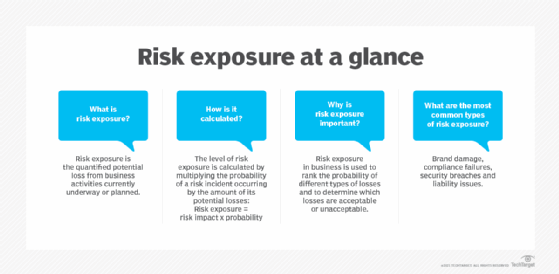 https://www.techtarget.com/rms/onlineimages/risk_exposure_at_a_glance-f.png 1280w" alt="Graphic summarizing what risk exposure is and why it is important." width="559" height="274" />
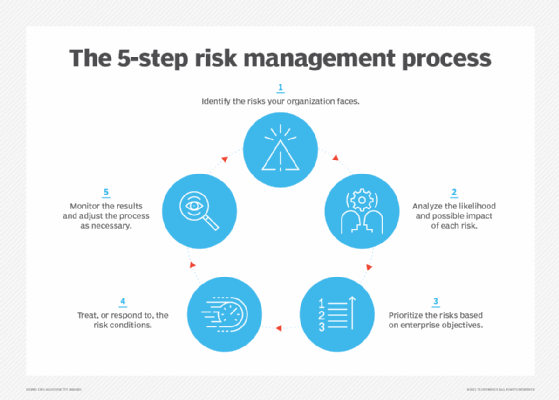 https://www.techtarget.com/rms/onlineimages/the_five_step_risk_management_process-f.png 1280w" alt="Visual that lists the five core steps of the risk management process" width="559" height="400" />
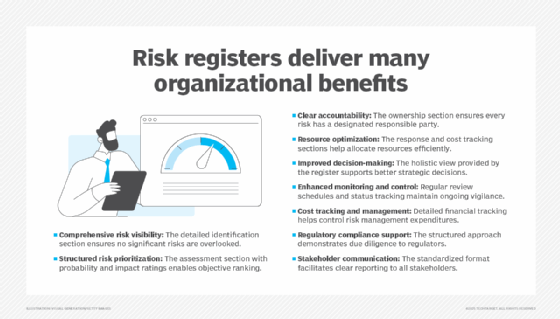 https://www.techtarget.com/rms/onlineimages/risk_registers_deliver_many_organizational_benefits-f.png 1280w" alt="Chart that lists and explains the potential benefits of using a risk register as part of a risk management program" width="560" height="319" />
 https://www.techtarget.com/rms/onlineimages/example_of_a_color_coded_risk_assessment_matrix-f.png 1280w" alt="Visual that shows an example of a color-coded risk assessment matrix" width="559" height="442" />
 https://www.techtarget.com/rms/onlineimages/4_types_of_strategies_to_manage_risk-f.png 1280w" alt="Graphic that lists and explains the four primary strategies for managing different risks" width="560" height="297" />
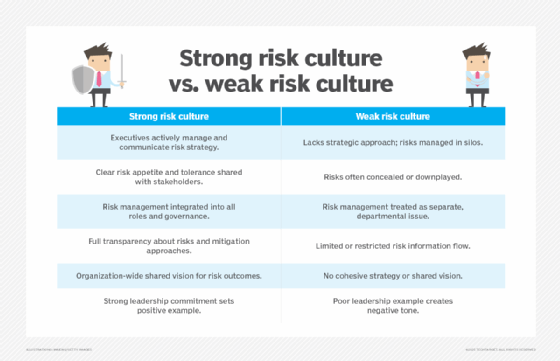 https://www.techtarget.com/rms/onlineimages/strong_risk_culture_vs_weak_risk_culture-f.png 1280w" alt="Table graphic that compares different aspects of strong and weak risk cultures in organizations" width="560" height="361" />