Christine Thomas's Posts (59)

Sort by

As we step into 2024, the landscape of Enterprise Risk Management (ERM) continues to evolve, shaped by persistent global uncertainties, technological advancements, and the ever-changing business environment. The importance of a robust risk management solution has never been more pronounced as organizations worldwide strive to navigate these complexities. New challenges and opportunities have prompted a significant shift in how businesses approach risk management, transforming it from a defensive mechanism to a strategic enabler.

In this dynamic context, understanding the top ERM trends is crucial for organizations aiming to stay ahead of the curve that are looking to harness risk management platforms as a strategic asset. As we delve into the top four Enterprise Risk Management trends for 2024, we will explore how these developments reshape the ERM framework, influence decision-making processes, and drive the integration of risk management solutions across the business spectrum.

In this blog, we will explore the top transformative trends in Enterprise Risk Management for 2024:

4 Key Risk Management Trends

The landscape of Enterprise Risk Management (ERM) is continuously evolving, adapting to the complex and interconnected challenges of the modern business environment. As we move into 2024, several key trends are emerging, reshaping how organizations approach risk management.

1.    Risk Maturity Models Streamline Processes

The adoption of risk maturity models is becoming increasingly prevalent among enterprises seeking to manage the growing interconnectedness of risk vulnerabilities. These models provide a structured framework to assess and enhance an organization's risk management solution capabilities, mirroring the capability maturity models used in software development.

2.    ERM Technology Frameworks Extend into GRC

As ERM expands beyond traditional financial concerns to encompass cybersecurity, IT, third-party relationships, governance risk and compliance (GRC), the need for comprehensive GRC platforms becomes more pronounced. These platforms can be used to create and manage policies, perform risk evaluations, improve risk posture understanding, recognize gaps in regulatory compliance and automate internal audits.

3.    ERM Recognized as a Strategic Asset

The perception of enterprise risk management platforms is undergoing a significant transformation, with organizations increasingly recognizing it as a strategic asset rather than merely a risk avoidance tool. Organizations can prevent risks from interfering with their business strategies by adopting a transformational enterprise risk management solution and unlocking new avenues for growth and innovation.

4.    Broader Adoption of Risk Appetite Declarations

Originally prevalent in the financial sector, risk appetite statements are gaining traction across various industries. These statements improve communication between stakeholders by clearly defining the level of risk the organization is willing to accept in pursuit of its objectives. By moving beyond basic "check the box" exercises, risk appetite declarations guide day-to-day decisions, aligning them with the organization's strategic goals to deliver an effective risk management solution.

Leverage Predict360 ERM Software for Enhanced Enterprise Risk Management in 2024

Integrating advanced technology into enterprise risk management (ERM) practices is not just a trend but a necessity in 2024. Predict360's Enterprise Risk Management Software stands at the forefront of this evolution, offering a robust, cloud-based solution tailored to modern businesses' dynamic needs. Here's how Predict360 Enterprise Risk Management Solution can revolutionize your organization's approach to ERM, aligning with the latest industry trends and ensuring a secure, compliant, and resilient future.

Comprehensive Risk Visibility and Management

Predict360 ERM software redefines risk management by providing complete visibility of enterprise risks through a single, intuitive dashboard. This centralized approach ensures that new risks are instantly updated across all metrics and are visible to all authorized stakeholders, thus facilitating a proactive risk management stance.

Systematic Identification and Assessment

The software systematically identifies and assesses potential risks across various business functions and processes. By proactively enabling organizations to recognize internal and external risks, the Predict360 Enterprise Risk Management Solution ensures that strategic objectives are safeguarded against unforeseen challenges.

Streamlining Processes and Breaking Down Silos

Predict360 Enterprise Risk Management Platform addresses the need to streamline processes and the breakdown of organizational silos, a key trend in today's ERM landscape. The software provides a centralized platform for storing and managing risk-related data, fostering a collaborative environment where risk management becomes an organization-wide responsibility.
 

 12384993084?profile=RESIZE_1200x


Read more…

Financial organizations face many challenges and risks in today's complex business landscape. The traditional methods of handling risks are no longer sufficient to ensure the sustainability and growth of these institutions. This is where Enterprise Risk Management (ERM) comes into play as a comprehensive risk management solution. ERM provides a structured and holistic approach to identifying, assessing, managing, and mitigating organizational risks. By implementing an effective ERM program, financial organizations can protect themselves from potential threats and turn these risks into opportunities for growth and development.

In the following sections, we will delve deeper into why modern organizations must adopt an effective ERM program, the ideal timing for its implementation, and how integrating an Enterprise risk management platform can significantly enhance your business strategy.

Why Modern Organizations Need to Adopt an Effective ERM Program

Modern organizations face an increasingly complex and volatile business environment. Implementing an effective enterprise risk management solution or program is now necessary for those seeking to navigate the uncertainties of today's market. Here's why:

Holistic Risk Management Approach

Traditional risk management methods are no longer enough to address an organization's potential risks. An effective ERM program offers a comprehensive risk management solution, providing a holistic view of all risks across the organization. This approach enables businesses to identify, assess, manage, and mitigate risks in a coordinated and strategic manner.

Continuous Improvement and Adaptation

The business landscape is constantly evolving, with new risks emerging all the time. ERM programs facilitate continuous improvement and adaptation to these changing conditions. Risk management solutions establish oversight, control, and discipline mechanisms, enabling organizations to respond swiftly and effectively to new challenges.

Strategic Decision Making and Value Proposition

ERM goes beyond traditional risk management by integrating risk considerations into strategic decision-making processes. It redefines the value proposition of risk management, shifting the focus from merely protecting assets to enhancing business strategy.

Enhanced Capital Allocation and Risk Response

Integrating a risk management platform into ERM practices allows organizations to link risk management with capital allocation and take risk transfer decisions more efficiently. Companies can better understand their most significant risks by aggregating risk exposures across multiple business units with the help of effective risk management solutions.

When Organizations Should Adopt Enterprise Risk Management (ERM) 

Rapid Changes and Increasing Complexities

Organizations should consider adopting an Enterprise Risk Management (ERM) program when they face rapid changes or increasing complexities in their operational environment. It is time to recognize the need for a more structured ERM framework as they encounter evolving risks and a lack of formalized risk management processes.

Tailored Approach to Risk Management

There is no universal approach to ERM; each organization must tailor its program to fit its unique circumstances, including industry, size, and specific risk exposures. Implementing an Enterprise risk management solution should be based on thoroughly understanding the organization's unique risk landscape and strategic objectives. The importance of customizing the ERM approach to meet the specific needs and challenges of the organization must be considered when implementing an ERM program.

Strategic Alignment and Risk Appetite

Adopting an ERM program should align with the organization's overall strategy and risk appetite. It's about managing risks and aligning the risk management practices with the organization's strategic goals. This alignment ensures that the ERM program supports the organization's objectives and contributes to its long-term success.

Integrate Enterprise Risk Management Solution to Enhance Your Business Strategy  

Integrating advanced software solutions like Predict360 Enterprise Risk Management Software can significantly enhance your organization's approach to handling risks in the evolving risk management landscape. Predict360 ERM tool offers a cloud-based, AI-powered solution streamlining the risk management process, providing a comprehensive view of enterprise risks on a user-friendly dashboard. Key features include:

Centralized Risk Management Platform

Predict360 ERM is a centralized ERM platform enabling organizations to store, manage, and analyze risk-related data efficiently. This risk management solution breaks down organizational silos, allowing for a cohesive approach to risk management across various departments.

Proactive Risk Identification and Assessment

The software facilitates systematic identification and assessment of potential risks across different business functions and processes. It helps organizations proactively recognize and understand internal and external risks, enhancing their ability to promptly respond to risk landscape changes.

Streamlining and Automating Risk Management Processes

Predict360 Enterprise risk management solution’s features are designed to increase efficiency and reduce resolution times. Its automation and streamlined workflows ensure that risk management processes are quick and efficient, enabling organizations to focus on their core activities while maintaining a robust risk management framework.

Customization and Integration

One of the key strengths of the Predict360 Enterprise risk management platform is its highly configurable nature. The platform can be customized to fit each organization's unique needs, with applications that can be added or removed as required.


12384993084?profile=RESIZE_710x

Read more…

The financial services landscape constantly evolves, driven by rapid technological advancements, changing market dynamics, and increasingly complex regulatory requirements. In this context, financial risk management software emerges as a critical tool that enables institutions to stay ahead of the curve. This software empowers financial institutions to make informed decisions, streamline risk management processes, and safeguard their assets and reputations by providing comprehensive insights into potential risks and vulnerabilities.

As regulatory pressures continue to mount, the role of financial risk management software in ensuring compliance and enhancing risk management efficacy has never been more critical. Institutions that embrace these technological solutions are better equipped to navigate the complexities of the financial landscape, turning regulatory challenges into opportunities for growth and innovation.

In the following sections, we will delve deeper into the financial services industry's significant regulatory pressures and explore strategic actions that can be taken to improve risk management practices, highlighting the indispensable role of financial risk management solutions.

Significant Regulatory Pressures that Influence Risk Management

The financial services industry is under constant scrutiny from regulators tasked with safeguarding consumer interests and ensuring the financial system's stability. Many utilize the assistance of financial risk management software to achieve this goal.

This scrutiny has given rise to a complex web of regulatory pressures that significantly influence risk management practices within the sector. Understanding these pressures is crucial for financial institutions as they strive to align their risk management strategies with regulatory expectations and industry best practices.

Evolving Regulatory Landscape: Financial institutions face an ever-changing regulatory environment, with new rules and guidelines introduced regularly in response to emerging risks and market developments.

Increased Expectations for Transparency and Accountability: Regulators now expect financial institutions to manage risks effectively and demonstrate their risk management capabilities transparently. This can be accomplished through financial risk management software. Regulators also expect detailed reporting on risk assessments, management strategies, and the effectiveness of control measures.

Focus on Operational Resilience: In the wake of high-profile cyber-attacks and system failures, regulatory bodies have heightened their focus on operational resilience. Financial institutions must develop robust systems and processes that can withstand and quickly recover from disruptive events.

Emphasis on Consumer Protection: With the rise of digital finance and the increased complexity of financial products, protecting consumers from unfair practices and ensuring their data privacy have also become top priorities for regulators.

Global Compliance Requirements: For institutions operating across international borders, navigating the maze of international regulatory requirements adds another layer of complexity to the risk management effort. Integrating financial risk management software can help adhere to compliance requirements effectively.

8 Strategic Actions to Improve Risk Management

In the face of mounting regulatory pressures, financial institutions must adopt a proactive and strategic approach to risk management. Here are eight strategic actions that can significantly enhance risk management capabilities:

Evaluate Core Risk Management Activities: The first step towards improvement is a comprehensive evaluation of existing risk management practices. Financial risk management software can provide the analytics and reporting tools needed to assess the effectiveness of current strategies and identify areas for enhancement.

Analysis of Cost Reduction and Efficiency Initiatives: Understanding the impact of cost-saving measures on risk management is crucial. Financial risk management solutions can help analyze the outcomes of such initiatives, ensuring they do not compromise the integrity of risk management processes.

Scalability of Risk Frameworks: As institutions grow and evolve, so must their risk management frameworks. An effective financial risk management software offers scalable solutions that adapt to changing business models, regulatory environments, and market conditions.

Adapting to Business Model Changes: The financial sector constantly evolves, necessitating periodic risk management strategy adjustments. Financial risk management solutions enable institutions to swiftly adjust their risk frameworks to accommodate new products, services, and operational changes.

Strengthening Internal Control Environments: Robust internal controls are the foundation of effective risk management. Financial risk management software can be used to enhance these controls by providing comprehensive monitoring tools and real-time alerts for potential risk events.

Enabling Data Interoperability: In today's data-driven world, seamlessly sharing and analyzing data across teams and systems is vital. Effective cloud-based solutions facilitate data interoperability, ensuring a unified view of risk across the institution.

Data Quality Enhancement: High-quality data is essential for accurate risk assessment and management. Advanced financial risk management software includes data cleansing and validation features, improving risk analysis reliability.

Integrating Technology Risk Management: As technology becomes increasingly integral to financial services, managing technology-related risks is paramount. Effective solutions, such as Predict360 Enterprise Risk Management Software, offer specialized tools for identifying, assessing, and mitigating risks, aligning businesses with broader risk management strategies.

Conclusion

Integrating advanced financial risk management software into the risk management framework has become indispensable as we navigate the complexities of regulatory pressures and the evolving landscape of financial services.

Predict360 Enterprise Risk Management Software stands out as a beacon of innovation, offering financial institutions a comprehensive, cloud-based solution to streamline risk management processes.

12384993084?profile=RESIZE_710x

Key Features of Predict360 ERM:

Centralized Risk Management: Predict360 ERM tool offers a unified platform for managing risk-related data, breaking down organizational silos, and fostering organization-wide collaboration on risk issues.

Data Interoperability and Quality: With features like importable risk taxonomies and integration with external data feeds, Predict360 ERM software ensures that risk data is comprehensive, up-to-date, and high quality, facilitating better decision-making.

Advanced Analytics and Reporting: The integration of Tableau BI for visualization and advanced analytics in Predict360 financial risk management software enables institutions to delve deep into risk data, enhancing their understanding and management of risks.

Continuous Risk Assessment: Automated monitoring and real-time reporting ensure new risks are quickly identified and assessed, allowing timely interventions.

Read more…

In an era where digital transformation is not just an option but a necessity, the insurance industry stands at a crucial juncture. The need for robust insurance regulatory compliance has never been more pressing. The stakes are high as insurers handle sensitive customer data and navigate a complex web of regulations. Cybersecurity is not just a technical issue; it's a cornerstone of trust in the digital age.

Much like the banking industry, the insurance sector is undergoing a major shift. Consumers demand seamless, secure, and personalized experiences, and insurers must adapt to meet these expectations while safeguarding against ever-evolving cyber threats. This is where the importance of insurance regulatory compliance comes into sharp focus. It's not just about adhering to rules; it's about building a resilient framework that protects the company and its customers.

This blog delves into the intricacies of cybersecurity regulations shaping the insurance industry. From the NAIC Model Law to state and federal regulations and the expectations of banking security, we will explore the landscape that U.S.-based insurance companies navigate daily. We will also consider how insurance compliance software facilitates cybersecurity risk management.

Importance of Cybersecurity in the Insurance Industry

In the digital-first world, the insurance industry is increasingly becoming a target for cybercriminals, making cybersecurity a necessity and a pivotal aspect of insurance regulatory compliance. Some of the aspects are outlined below, showing the importance of cybersecurity:

The Sensitivity of Data in Insurance

Insurance companies deal with a wealth of sensitive personal and financial information. From health records to financial data, the information insurers handle is confidential and highly attractive to cybercriminals. A breach in this data can have far-reaching consequences, which can severely damage the insurer's reputation and customer trust.

Consequences of Cyber Threats

The implications of cyber threats in the insurance industry are profound. A single data breach can lead to significant financial losses in terms of immediate response costs and long-term reputational damage. Moreover, insurers face regulatory penalties for non-compliance with cybersecurity norms, making insurance regulatory compliance a critical aspect of their operational strategy.

Building Trust Through Cybersecurity

For insurance companies, robust cybersecurity measures are crucial to build and maintain customer trust. In an industry where trust is a fundamental commodity, ensuring data security is paramount. Customers need to feel confident that their sensitive information is in safe hands.

This is where effective insurance compliance software plays a crucial role. By employing advanced software solutions, insurers can protect customer data and demonstrate their commitment to cybersecurity, reinforcing customer trust.

Overview of Cybersecurity Regulations

Navigating the complex landscape of cybersecurity regulations is critical to insurance regulatory compliance. These regulations are designed to protect consumer data and ensure the integrity of the insurance industry. In this section, we'll explore critical regulations that U.S.-based insurance companies must adhere to:

1.    NAIC Model Law

The National Association of Insurance Commissioners (NAIC) Model Law is a benchmark for states to develop cybersecurity regulations. This law focuses on establishing standards for data security, the investigation of cybersecurity events, and notification requirements in the event of a breach. For insurance companies, understanding and implementing the guidelines of the NAIC Model Law is crucial for insurance regulatory compliance. It sets the foundation for a robust cybersecurity framework, ensuring insurers are prepared to handle and respond to cyber threats effectively.

2.    State and Federal Regulations

In addition to the NAIC Model Law, insurance companies must navigate many state and federal regulations. These regulations can vary significantly, creating a complex compliance landscape. For instance, states like New York have stringent cybersecurity regulations for financial services, including insurance.

Federal laws such as the Health Insurance Portability and Accountability Act (HIPAA) and the Gramm-Leach-Bliley Act (GLBA) also impose specific cybersecurity requirements. Balancing these diverse regulations requires a strategic approach, where insurance compliance software can play a pivotal role in ensuring adherence to all applicable laws, including insurance regulatory compliance laws.

3.    Bank Security Expectations

When insurance companies collaborate with banks, they must also meet the cybersecurity expectations set by these financial institutions. Banks often have stringent security protocols, given their high risk of cyberattacks. Insurance companies working with banks must align their cybersecurity measures with these expectations. This alignment is crucial for successful partnerships and enhances the insurance company's overall security posture, further solidifying its commitment to insurance regulatory compliance.

Manage Cybersecurity Risk with AI-Powered Risk Management Software

Managing cybersecurity risks efficiently is a daunting challenge. This is where AI-powered risk management software, particularly Predict360 IT Risk Assessment software, comes into play, offering a sophisticated solution for insurance companies.

Predict360 ITRA software is designed to streamline the process of documenting and analyzing IT risks within the insurance industry. It offers a consolidated risk and control taxonomy across various business areas, enabling insurance companies to manage IT risks and controls effectively within their enterprise risk management framework. This aligns perfectly with the needs of insurance companies striving for insurance regulatory compliance.

Streamlined Workflows and Comprehensive Risk Assessment

The Predict ITRA software provides streamlined workflows for risk assessment, scheduling for one-time and recurring assessments, and action plans for related activities. This level of organization and efficiency is crucial for insurance companies to stay on top of their cybersecurity obligations.

Real-Time Insights and Standardized Taxonomies

One of the key features of the Predict360 ITRA tool is its ability to offer real-time insight into IT Risk Assessment progress and risk ratings. This feature ensures that insurance companies can monitor their compliance status continuously with this insurance compliance software, a critical aspect of regulatory compliance.

Advanced Reporting and Regulatory Integration

Predict360 ITRA platform stands out with its comprehensive reporting capabilities, featuring activity-based dashboards and embedded advanced business intelligence reporting. This allows for a deeper analysis and understanding of the risk landscape.


Read more…

The significance of policy management software in the financial sector is twofold. Firstly, it plays a pivotal role in maintaining compliance with various regulatory bodies. A robust system is indispensable in the financial industry, where non-compliance can result in hefty fines and legal complications. Secondly, it streamlines internal processes, making policy dissemination and adherence more efficient and less prone to human error.

Challenges of Policy Management

The journey of managing policies in the financial sector is fraught with challenges. One primary hurdle is the sheer volume and complexity of regulatory compliance. Financial institutions must constantly stay abreast of changes in laws and regulations, which are time-consuming and critical. Utilizing effective policy management software helps to solve all the document management challenges.

Other significant challenges are ensuring that policies are written down, well-understood, and implemented by all employees. This requires a system that disseminates information efficiently and tracks understanding and compliance.

Traditional policy and procedure management methods often need to improve to address these challenges. Paper-based systems are cumbersome and prone to risks like loss, damage, or outdated information. Even mixed media systems, which combine digital and paper solutions, struggle with issues like remote accessibility, security vulnerabilities, and inefficient document tracking.

Digital Policy Management Systems

In the financial industry, where compliance and efficiency are paramount, a digital policy management software system has emerged as a vital tool. These systems offer a range of functionalities that traditional methods cannot match.

To understand their strengths and limitations, let's examine some popular digital policy management systems like SharePoint and Confluence.

Microsoft SharePoint

SharePoint is a widely recognized policy management platform organizations use for its robust document management and collaboration features.

Pros:

Integration with Microsoft Office: SharePoint seamlessly integrates with the Microsoft Office suite, making it convenient for users familiar with these tools.

Customizability: It offers extensive customization options, allowing organizations to tailor the platform to their needs.

Document Security and Management: SharePoint policy management software provides adequate document security, version control, and management capabilities.

Cons:

Complex Setup and Maintenance: It requires significant setup and ongoing maintenance, often needing specialized SharePoint development skills.

Training Requirements: New users may find SharePoint complex for their procedure management needs, necessitating comprehensive training.

Limited Search Functionality: Finding specific policies can be challenging due to limited search capabilities.

Limitations for Regulatory Organizations:

SharePoint's complexity and the need for customization can be a drawback for regulatory organizations that require a more straightforward, out-of-the-box solution for quick policy updates and compliance management.

Atlassian Confluence

Confluence is another popular choice for policy management software, known for its collaborative features and effectiveness in document management.

Pros:

Collaboration-Friendly: It excels in enabling team collaboration, making it easier to work together on policy creation and updates.

User-Friendly Interface: Confluence offers a more user-friendly interface than SharePoint, which can benefit quicker adoption.

Cons:

Less Focus on Compliance Management: It needs to be designed explicitly for compliance management, which can be a critical gap for financial institutions.

Overwhelming for New Users: Despite its user-friendly interface, its vast features can overwhelm new users. Due to this, users often switch to other policy management software as per their requirements.

Limitations for Regulatory Organizations:

Confluence's generalist approach might not be sufficient for regulatory organizations that need specialized compliance management features and more robust policy tracking capabilities.

Predict360 Policy & Procedure Management Software

In the demanding environment of the financial industry, where regulatory changes are frequent and compliance is critical, Predict360 Policy & Procedure Management Software emerges as a powerful ally. This policy management software is designed to cater to FIs' needs and adapt seamlessly to the ever-changing regulatory landscape.

Predict360 Policy Management Software stands out with its cloud-based document management system, which includes workflow management and controls. Some of its key features include:

Seamless Document Uploads and Management: The Predict360 Policy & Procedure Management software allows uninterrupted workflows with easy document uploads, ensuring that all policies and procedures are up-to-date and in sync with regulatory changes.

Preconfigured Workflow Tools: The Predict360 Policy & Procedure Management tool facilitates the review, approval, check-out, modification, and access of documents, streamlining the entire policy management process.

Power User Accessibility Controls: Predict360 Policy Management Software enhances data security by allowing granular control over who can view, edit, and download documents.

Automated Library Management: This feature provides management instant access to necessary documentation whenever needed, a crucial aspect of fast-paced regulatory environments.


12161282670?profile=RESIZE_710x


Read more…

In modern business's complex and ever-evolving landscape, Governance, Risk, and Compliance (GRC) has emerged as a cornerstone for sustainable and successful organizational strategies. Understanding what GRC software entails and its significance in today's corporate world is crucial for businesses aiming to navigate their myriad challenges.

What is GRC?

GRC stands for Governance, Risk and Compliance. It represents an integrated collection of capabilities that enable an organization to reliably achieve objectives, address uncertainty, and act with integrity. This includes the management of a wide array of risks and compliance with numerous laws and regulations.

Governance: Governance refers to the mechanisms, processes, and relations an organization uses to control and direct its operations and activities. Governance ensures that business activities align with the overall strategy and objectives, maintaining accountability and fostering a positive organizational culture.

Risk Management: This aspect of GRC involves identifying, assessing, and controlling threats to an organization's capital and earnings. These risks can stem from various sources, including financial uncertainties, legal liabilities, technology issues, strategic management errors, accidents, and natural disasters.

Compliance: Compliance in the GRC context means conforming to stated requirements. It involves adhering to laws, policies, standards, and regulations that governments and other regulatory bodies set. Compliance ensures that an organization operates legally, ethically, and socially responsibly.

Benefits of Using GRC Program to Streamline Risk and Compliance

In today's complex business environment, implementing a GRC framework is a regulatory necessity and a strate

gic asset. GRC programs are instrumental in establishing policies and practices that minimize compliance risk and enhance overall organizational performance.

Enhancing Efficiency through GRC Platforms

The use of GRC software significantly enhances efficiency in several ways:

Breaking Down Silos: GRC software/platforms help in dismantling process and data silos, allowing for a more integrated approach to compliance and risk management.

Lifecycle Management: These platforms aid in managing the lifecycle of financial and AI-driven models, improving IT compliance and controls.

Automated Measurement and Controls: Integration with third-party GRC platforms supports automated measurement, and IT risk controls, aligning regulatory and business requirements with the policy framework.

Comprehensive Risk Assessment and Reduction

GRC platforms enable organizations to effectively establish, automate, and manage risk assessments and reduction procedures. Key aspects of a GRC software include:

Informed Decision-Making: Data from a GRC platform empowers companies to make more informed decisions and allocate resources efficiently to mitigate risks.

Audit Preparedness: GRC frameworks ensure readiness for regulatory audits, such as those required under the Sarbanes-Oxley Act, by maintaining and protecting sensitive information across departments.

Addressing Regulatory Compliance Challenges

GRC platforms are particularly beneficial for companies that have faced significant compliance events. They provide a structured approach to achieve several benefits.

Fix and Monitor Control Sets: GRC software helps monitor and rectify redundant compliance control sets and ineffective frameworks, thereby minimizing regulatory shortcomings.

Enhance Visibility and Confidence: They improve visibility in compliance and financial risk reporting, boosting regulator confidence in these areas.

Utilizing GRC Software to Improve Organizational Performance  

In financial services, the need for an effective Governance, Risk, and Compliance solution is paramount. Predict360 Risk and Compliance Platform emerged as a cutting-edge GRC management software that is specifically designed to meet the intricate needs of financial companies.

This AI-powered GRC software offers a comprehensive suite of tools to enhance efficiency, streamline workflows, and automate processes. Its SaaS architecture and modern features deliver predictive analytics and data insights, crucial for predicting risk and ensuring streamlined compliance. Key features of this platform include the following.

AI-Driven Automation: Predict360 Risk and Compliance Platform streamlines workflows and automates GRC tasks, significantly improving the quality and value of risk and compliance activity execution.

Modular and Flexible Design: The Predict360 GRC software is designed to be modular, allowing businesses to select the modules and functionalities they require, thus reducing unnecessary complexity and cost.

Integrated GRC Modules: It offers various applications required for through GRC management, such as risk management, compliance management, regulatory change management, and more, all interconnected for enhanced functionality and insights.


Read more…

Navigating the complex landscape of vendor relationships is a critical aspect of modern business management. With nearly 80% of organizations having formal programs for vendor risk assessments, it's clear that understanding and managing these risks is a top priority.

However, about 30% of these organizations lack dedicated staff for this task, underscoring the need for more focused attention on vendor risk management. This blog sheds light on the various types of vendor risks and provides insights into effectively managing them, ensuring your company's protection against fraud, non-compliance, and other potential pitfalls.

10 Forms of Vendor Risk You Must Know

Effective vendor risk management requires a deep understanding of the various risks that vendors can pose to your organization. Here's an expanded look at the ten critical types of vendor risks:

1.    Strategy Risk

This involves the risk of vendors potentially misusing your company's confidential information, such as trade secrets, ideas, or intellectual property. It's crucial to assess whether a vendor has measures in place to protect sensitive information and maintain your strategic advantage. This can be done by using vendor risk management software.

2.    Financial Risk

Assessing a vendor's financial stability is vital for robust vendor risk management. A vendor facing financial difficulties might fail to deliver essential services or products, disrupting your operations. This risk is particularly significant if the vendor is integral to your supply chain or business processes.

3.    Compliance Risk

Vendors must comply with industry standards and legal regulations. Non-compliance can lead to legal penalties for the vendor and your company and damage your reputation. It's essential to evaluate vendors for their adherence to relevant laws, such as data privacy, labor laws, and environmental regulations.

4.    Geographic Risk

Vendors operating in regions prone to natural disasters, political unrest, or economic instability can pose significant risks. These factors can disrupt supply chains, affect the vendor's ability to deliver, and even impact the cost of goods and services, hurting the overall vendor risk management effort.

5.    Technical Risk

The robustness of a vendor's IT infrastructure and data management processes is critical, especially in today's digital age. Weaknesses in these areas can lead to data breaches, service interruptions, and other technological failures that could impact your business.

6.    Subsequential Risk

This risk arises when your third-party vendors rely on their own network of subcontractors or 'fourth parties’ and do not utilize efficient vendor risk management  systems to manage their operations. It's important to understand that such fourth-party relationships might affect your vendor's performance, which ultimately impact your business.

7.    Resource Risk

It is crucial to determine whether third party vendors have the necessary resources at an early, evaluation stage of vendor risk management. Resources include time, money, and skilled personnel, to fulfill their commitments to your business. A lack of resources can lead to poor service quality or failure to deliver on agreements, which is known as resource risk.

8.    Replacement Risk

Consider how easily a vendor can be replaced if they cease operations or fail to meet contractual obligations. High replacement risk can lead to significant business disruptions, while low replacement risk means you have other options available.

9.    Operational Risk

This encompasses the risks arising from inefficiencies within a vendor's internal processes and policies. Inefficient or unsafe operational practices can lead to delays, quality issues, and other operational challenges.

10. Reputational Risk

Working with a vendor that engages in unethical practices or has a poor public image can negatively impact your company's reputation. It's important to assess the public perception and ethical standards of potential vendors.

12306181297?profile=RESIZE_710x

Implement an Effective Vendor Risk Management Software to Stay Competitive

In the dynamic landscape of vendor risk management, employing sophisticated software solutions like Predict360 Vendor Risk Management software is essential for staying competitive. Predict360 Vendor Risk Management (VRM) Software stands out as a comprehensive solution for managing the complexities associated with vendor risks.

Predict360 VRM provides an all-encompassing platform for tracking, managing, and reporting on vendor risks. This includes complete vendor lifecycle management, ensuring that every aspect of vendor interaction, from onboarding to performance evaluation, is meticulously monitored and managed.

Predict360 Vendor Risk Management platform integrates advanced business intelligence capabilities, including an embedded Tableau reporting engine. This feature offers deep insights into vendor performance, risk status, and compliance, enabling businesses to make informed decisions based on real-time data.

The Predict360 VRM software covers the entire spectrum of vendor risk management, from initial onboarding to ongoing monitoring and assessment. It allows for categorizing vendors based on risk type and level, ensuring that each vendor is evaluated and managed according to their specific risk profile.


Read more…

Enterprise Risk Management (ERM) in the insurance industry represents a comprehensive approach to identifying, assessing, and strategically managing an organization’s risks. This practice is not just a regulatory requirement but a fundamental aspect of maintaining financial stability and safeguarding the interests of policyholders.

At its core, ERM in the insurance sector involves a series of steps to understand and mitigate risks. These steps include identifying, assessing, and mitigating potential risks, ranging from natural disasters, insurance regulatory compliance, and human errors to financial market volatility.

In this blog, we will come across the key components and advantages of ERM for the insurance industry:

Key Components of ERM in Insurance

Enterprise Risk Management (ERM) in the insurance industry is complex and multifaceted. It involves several key components that work together to ensure a comprehensive approach to risk management. Let’s delve into these crucial elements:

Risk Identification

The first and most critical step in ERM is identifying potential risks. This involves thoroughly analyzing all possible risk sources, whether insurance regulatory compliance, operational, financial, strategic, or regulatory. Insurance companies must consider various risks, from accidents to market fluctuations and cybersecurity threats.

Risk Assessment

Once risks are identified, the next step is to assess their potential impact and the likelihood of their occurrence. This assessment is typically quantitative and can be done with insurance compliance software, involving statistical models and historical data. However, qualitative assessments, which consider the less tangible aspects of risk, like reputational damage or regulatory changes, are also crucial.

Risk Control and Mitigation

With a clear understanding of the various risks, such as insurance regulatory compliance, insurance companies develop strategies to control or mitigate these risks. This can involve a range of tactics, from implementing safety protocols and disaster recovery plans to diversifying investment portfolios. The choice of risk control measures depends on the nature of the risk and the company's risk appetite.

Risk Financing

Another critical component of ERM is determining how to finance the risks. This typically involves deciding which risks to retain and which to transfer, often through insurance policies. Risk financing strategies ensure the company can absorb potential losses without significant financial worry.

Monitoring and Reporting

Continuous monitoring of the insurance regulatory compliance risk environment is essential in ERM. This involves regularly reviewing and updating the risk assessment to reflect any changes in the external or internal environment with or without the aid of insurance compliance software. Effective reporting mechanisms are also crucial to ensure that key stakeholders, including management and the board, are informed about the risk profile and the effectiveness of risk management strategies.

Culture of Risk Awareness

Finally, a key component of successful ERM in the insurance industry is fostering a culture of risk awareness throughout the organization. This involves educating and training employees about risk management practices, such as insurance regulatory compliance management tactics, and encouraging a proactive approach to identifying and addressing risks.

12360456457?profile=RESIZE_584x

Advantages of ERM in the Insurance Industry

By implementing a comprehensive ERM framework, insurers can navigate the complex landscape of risks more effectively. Here are some of the critical benefits of ERM in the insurance industry:

Enhanced Risk Identification and Mitigation

Proactive Approach: ERM enables insurance companies to identify potential risks before they materialize proactively. This forward-looking approach allows for timely mitigation strategies, reducing the likelihood of significant losses.

Comprehensive Risk Coverage: ERM provides a holistic view of risks across all business areas. This comprehensive coverage ensures no potential risk is overlooked, from operational to strategic and from financial to insurance regulatory compliance related risks.

Improved Decision-Making and Strategic Planning

Informed Decisions: With a thorough understanding of their risk landscape, insurance companies can make more informed decisions. An effective insurance compliance software provides valuable insights that guide strategic planning, resource allocation, and other critical business decisions.

Alignment with Business Objectives: ERM ensures that risk management strategies are aligned with the company’s overall business objectives. This alignment helps strike the right balance between risk and reward, which is crucial for long-term success.

Financial Stability and Efficiency

Cost Savings: By identifying and mitigating risks early, ERM can lead to significant cost savings. It helps avoid losses from unforeseen events which can occur due to insurance regulatory compliance updates and reduces the expenses of managing crises.

Optimized Risk Financing: ERM aids in developing effective risk financing strategies, such as determining the optimal mix of risk retention and transfer. This optimization helps in managing the financial impact of risks more efficiently.

Conclusion: Stay Ahed of Competition with ERM Software

In the dynamic and risk-laden landscape of the insurance industry, staying ahead of the competition requires understanding and implementing Enterprise Risk Management (ERM) and leveraging the right tools to do so effectively. This is where the Predict360 platform, a comprehensive ERM software solution, comes into play, offering a transformative approach to risk management for various risks such as insurance regulatory compliance risk.

Predict360 Enterprise Risk Management Software is a cloud-based solution to streamline and enhance risk management. It offers a robust platform that integrates various aspects of ERM, providing insurance companies with the insurance compliance software tools they need to identify, quantify, and optimize risks across the enterprise. Here is how it can facilitate your organization:

Centralized Risk Management: Predict360 ERM tool provides a centralized platform for managing risk-related data, breaking down organizational silos, and fostering a more cohesive risk management approach.

Real-Time Monitoring and Reporting: The Predict360 ERM software offers real-time monitoring and reporting functionality, enabling management to stay informed about the current risk landscape and insurance regulatory compliance environment to make timely interventions.

Advanced Analytics and Visualization: Integration with Tableau BI visualization allows for in-depth analysis of risk data, aiding in informed decision-making that aligns with overall business objectives.

Customizable and Scalable: The Predict360 ERM software is highly configurable, allowing it to be tailored to each organization’s unique needs, and is scalable to accommodate growth and changes in the business.

Read more…

In the ever-evolving financial world, banks face the constant challenge of staying ahead in a fiercely competitive landscape. This is where the power of Competitive Intelligence (CI) becomes a cornerstone for success. CI analysis in the banking sector is more than just a tool; it's a strategic compass guiding banks through the complexities of market trends, competitor movements, and evolving customer needs. As we delve into Competitive Intelligence, we uncover its pivotal role in shaping the future of banking.

Competitive Intelligence in banking goes beyond traditional market research. It encompasses a holistic approach to understanding external market forces and internal bank performance metrics. This includes analyzing peer financial reporting metrics, customer behavior trends, regulatory changes, and technological advancements. By integrating this information, banks can anticipate market shifts, identify new opportunities, and avoid potential threats.

CI has become more critical than ever as banks are competing and digital-only fintech companies are redefining customer expectations. To stay competitive, banks must leverage CI to understand new players' strategies and adapt accordingly.

3 Ways AI-Powered Platforms Improve CI for Banks

Integrating Artificial Intelligence (AI) in banking has revolutionized how banks gather bank performance metrics information and how they analyze or utilize this competitive intelligence. AI-powered platforms offer unparalleled advantages in enhancing the strategic decision-making process. Here are three ways in which AI platforms are transforming CI in the banking sector:

1. Enhanced Data Analysis and Insight Generation

AI excels in processing and analyzing large volumes of data, a task that is time-consuming and complex for humans. For banks, this means AI can swiftly sift through extensive data sets, including peer financial reporting metrics, to identify patterns, trends, and anomalies. This enhanced capability to analyze bank performance metrics’ data allows banks to gain deeper insights into market dynamics, competitor strategies, and customer preferences, enabling them to make more informed decisions.

2. Real-Time Market Monitoring

In the fast-paced banking world, monitoring market changes in real-time is invaluable. AI-powered platforms can continuously track and analyze market developments, regulatory changes, and emerging technologies. This real-time monitoring helps banks stay ahead of the curve, quickly adapting to new challenges and opportunities. By keeping a finger on the market's pulse, banks can anticipate shifts in consumer behavior and adjust their strategies accordingly, maintaining a competitive edge.

3. Predictive Analytics for Proactive Decision Making

One of the most significant advantages of AI in CI is predictive analytics. AI algorithms can analyze current bank performance metrics data to forecast future trends and outcomes. This predictive power enables banks to be proactive rather than reactive. For instance, by analyzing current bank performance metrics, AI can predict future market demands, potential risks, or investment opportunities.

Implementing Peer Insights Software for Benchmarking

Implementing Predict360 Peer Insights Software stands out as a pivotal move for enhancing competitive intelligence in banks. This AI-based solution, powered by Bank IQ, is specifically designed to revolutionize how banks approach benchmarking and peer analysis. Let's explore how the Predict360 Peer Insights tool can be a game-changer in the banking sector:

Comprehensive Bank Performance Metrics Data Analysis and Benchmarking

Predict360 Peer Insights Software, through the Bank IQ integration, offers an extensive peer financial reporting metrics dataset encompassing over 14,000 U.S. commercial banks, savings institutions, credit unions, and bank holding companies. This includes detailed regulatory reports and SEC filings, providing banks with a wealth of data for benchmarking.

Customizable and Intuitive Benchmarking

A standout feature of Predict360 is its high configuration. Banks can select specific peers or choose from curated peer groups for comparison. This customization allows for targeted benchmarking, focusing on the most relevant competitors and market segments. The software's intuitive interface makes it easy to filter bank performance metrics data to custom peer groups, ensuring that banks can focus on the most pertinent information for their needs.

Enhancing Competitive Edge with AI-Powered Solutions

Predict360 Peer Insights Software, with its AI-powered capabilities, enables banks to understand their current market position and anticipate future trends and challenges. By leveraging this advanced technology, banks can focus on outperforming their peers and identifying areas for improvement, ultimately enhancing their competitive intelligence and strategic positioning in the banking sector.

 12360793070?profile=RESIZE_710x

Read more…

In today's interconnected business world, the significance of robust vendor risk management cannot be denied. As organizations increasingly rely on external vendors for essential services and products, the need to systematically assess and manage the associated risks becomes paramount. Vendor risk management goes beyond mere due diligence; it is a strategic approach that safeguards a company's integrity, reputation, and operational resilience.

Understanding the importance of vendor risk management is the first step in a journey toward achieving a secure and reliable supply chain. This blog aims to delve into the core objectives of vendor risk assessments, highlighting their critical role in contemporary business practices.

We will explore the three key goals and objectives of vendor assessments, unravel the long-term benefits of effective vendor risk management, and highlight the values of employing state-of-the-art vendor risk management software.

Importance of Vendor Risk Assessment (VRA)

In an era where business ecosystems are increasingly complex and interdependent, the importance of vendor risk assessment has never been more pronounced. At its core, vendor risk management offers an essential strategy for organizations to identify, evaluate, and mitigate risks associated with third-party vendors. This process is crucial for several reasons:

·       Mitigating Financial Risks

Engaging with vendors inherently involves financial commitments and dependencies. A comprehensive vendor risk assessment helps identify potential financial instabilities or risks in the vendor's operations, which could adversely affect their ability to deliver products or services. This proactive approach is vital in safeguarding an organization against unexpected financial setbacks.

·       Ensuring Compliance and Legal Integrity

Vendors must comply with various legal and regulatory standards, which, if violated, can directly impact your organization. In a vendor risk management program, VRA is critical to ensure that your partners adhere to relevant laws, regulations, and ethical standards, thus protecting your company from legal entanglements and reputational damage.

·       Maintaining Operational Continuity

Vendors play a pivotal role in the operational workflow of many businesses. A disruption in their service due to operational risks can lead to significant interruptions in your business processes. Through vendor risk management software, organizations can identify and prepare for such potential disruptions, ensuring business continuity.


3 Key Goals and Objectives of Vendor Assessments

Vendor risk assessments are a critical component of comprehensive vendor risk management strategies. These assessments serve several key objectives, each contributing to the overall security and efficiency of an organization's operations. Here are the three primary goals:

1.    Identifying and Mitigating Potential Risks

The foremost objective of vendor risk assessment is to identify potential risks associated with a vendor. These risks can span various domains, including financial stability, compliance with regulations, operational reliability, and cybersecurity. By thoroughly evaluating these aspects, organizations can anticipate potential issues and implement strategies to mitigate them, resulting in improved vendor risk management.

2.    Ensuring Alignment with Organizational Goals and Values

Another crucial goal of vendor assessments is to ensure that the vendors' practices and values align with those of the organization. This alignment is vital for maintaining a consistent brand image and ethical standards.

For instance, if an organization prioritizes environmental sustainability, it's essential that its vendors also adhere to eco-friendly practices. This alignment extends beyond ethics; it also encompasses operational aspects such as quality standards, delivery timelines, and technological compatibility.

3.    Building and Maintaining Trust in Business Relationships

Trust is a fundamental element in any business relationship, and vendor assessments with the assistance of an effective vendor risk management software play a significant role in establishing and maintaining this trust. Ongoing vendor risk management, through regular and thorough assessments, gives organizations a deeper understanding of their vendors' capabilities and reliability. This understanding fosters a sense of confidence and trust, which is crucial for long-term business relationships.

Long-term Benefits of Effective Vendor Risk Management

The implementation of effective vendor risk management (VRM) strategies extends far beyond immediate risk mitigation. It lays the foundation for long-term benefits that are crucial for the sustainable growth and resilience of any organization.

Vendor risk management empowers organizations to make informed, strategic decisions. By understanding the risk profile of each vendor, companies can prioritize their resources and pay attention to areas with the highest risk exposure. This risk-based approach to decision-making not only optimizes resource allocation but also aligns vendor selection with the organization's broader strategic objectives.

A robust VRM program can lead to significant cost savings. By identifying and mitigating risks early, organizations can avoid the expenses associated with vendor failures, such as production delays, breach of contract penalties, and reputational damage repair costs. Additionally, a streamlined vendor risk management process enhances efficiency, reducing the time and resources spent on vendor evaluation and monitoring.

12306181297?profile=RESIZE_710x

Values of Employing Effective VRM Software

In the sphere of vendor risk management, leveraging advanced software solutions like the Predict360 VRM platform can be a game-changer. Predict360 Vendor Risk Management Software exemplifies how technology can streamline and enhance the VRM process.

Predict360 VRM tool offers a comprehensive solution for tracking, managing, and reporting vendor risks. It simplifies the VRM process by providing a centralized platform for all vendor-related activities, from onboarding to performance evaluations. This integrated approach ensures that every aspect of vendor risk management is accounted for, reducing the risk of oversight and enhancing accountability.

One of the standout features of the Predict360 Vendor Risk Management platform is its ability to automate workflow processes. This automation extends to collecting information from both internal employees and external vendors, thereby significantly reducing manual effort, and increasing efficiency.

Read more…

Understanding the role of corporate culture in risk management is crucial for the effective implementation of an enterprise risk management solution. It's not just about the policies and procedures; it's about how these elements are rooted in an organization's daily operations. This blog explores the thoughtful impact of culture and governance on risk management, underlining the importance of an enterprise risk management platform in reinforcing a strong risk culture.

The Impact of Culture and Governance on Risk Management

Embedding Risk Management in Corporate Culture

The integration of risk management into corporate culture is crucial. It's about making risk awareness a part of daily conversation and decision-making at all levels of the organization. Employees must understand the risks associated with their actions and decisions in a culture that supports businesses to implement effective enterprise risk management solutions.

The Synergy of Culture and Governance

The synergy between culture and governance is essential for effective risk management. While governance provides the framework and direction, culture brings this framework to life. A strong risk culture supported by effective governance ensures that risk management is not an afterthought but an integral part of the business strategy and operations.

Continuous Improvement and Adaptation

A dynamic corporate culture, underpinned by robust governance, adapts to changes in the business environment. This adaptability is critical to managing new and evolving risks. It involves adhering to established risk management practices and continuously evaluating and improving these practices to keep your enterprise risk management solution up to date.

12346584293?profile=RESIZE_710x


3 Key Values of a Strong Risk Culture

1.    Transparency and Communication

A cornerstone of a substantial risk culture is transparency and open communication. This involves creating an environment where risk information is freely shared and discussed at all levels. In a transparent culture, employees are encouraged to voice concerns and share insights, which is crucial for identifying and addressing risks proactively. Integrating an effective enterprise risk management platform is one of the best ways to enhance transparency and communication in an organization.

2.    Accountability and Ownership

Another critical value is fostering a sense of accountability and ownership among all organization members. This means everyone understands the risks associated with their actions and decisions and is accountable for managing them effectively. In such a culture, the success of the enterprise risk management solution is seen as a collective responsibility, not just the domain of a specific department.

3.    Continuous Learning and Adaptability

Finally, continuous learning and adaptability are vital in a strong risk culture. This value is about regularly reviewing and learning from risk events and adapting strategies accordingly. It involves staying agile and responsive to the ever-changing risk landscape, ensuring the organization's risk management practices remain effective and relevant.


Adopt ERM Tool for Long-Term Benefits of a Strong Risk Culture

In the context of strengthening a robust corporate culture in risk management, the role of an advanced enterprise risk management solution is evident. Predict360 Enterprise Risk Management Software exemplifies how a sophisticated ERM tool can support the implementation of a robust risk culture within an organization:

  • Predict360 offers a comprehensive solution to streamline an organization’s risk management processes. It provides a powerful cloud-based platform that enables accessibility across different levels and ensures complete enterprise risk visibility on a single dashboard.
  • Predict360 ERM is designed to break down organizational silos that often complicate risk management. It decentralizes compliance to make it an organization-wide function. This approach aligns perfectly with the values of a substantial risk culture, where risk management is everyone’s responsibility.
  • The user-friendly interface of Predict360 enterprise risk management solution ensures increased end-user adoption, which is critical for fostering a culture that values risk management.

By adopting the Predict360 enterprise risk management platform, organizations can manage their current risks more effectively and anticipate and prepare for future challenges. The tool’s ability to provide integrated visibility of risk management activities throughout the organization, combined with its advanced analytics and continuous risk assessments, ensures that the risk culture is maintained and continuously evolved.

12346619272?profile=RESIZE_710x

Read more…

We are not living in a world anymore where third-party risk management is bounded to cybersecurity only; in this progressing dynamic business landscape, various risks need to be evaluated to be lessened like compliance risks, operational risks, reputational risks, credit risks, and the list goes on. All these risks do not apply to all suppliers as it depends on the nature of the job.

Regarding financial institutions' context, third-party risk management plays a significant role in facilitating many attributes of their operations. Therefore, these suppliers can come up with the potential risks they need to be cautious about. Identifying and understanding the risks and indications linked to third-party suppliers is mandatory, particularly for financial institutions, to sustain the stability and integrity of their operations.

Risk Indications of Third Parties

When working with third parties or suppliers, your organization must be aware of the risks indicators that can influence your third-party risk management operations too. Some of these risks are discussed below:

Lacking Security Measures

If you notice a deficiency of security measures within your supplier’s operations, you should act on that. There must be robust security measures to safeguard confidential data and systems that bring severe risks to financial institutions. Some signs of inefficient security measures include outdated software, weak access control, and security breaches.

Inefficient Regulatory Compliance

As we know, there is a demand for a highly regulated environment for financial institutions, and their suppliers must follow the necessary regulations also. Any signs of noncompliance in third-party risk management can lead the organization to a challenging phase. Symptoms include inefficient regulatory compliance in a supplier and the inability to provide necessary certification and documentation.

Unstable Financial Health

The financial health of third-party partners can harm the services they offer to the financial organization. Symptoms include frequent updates in management or ownership, late payments to their vendors, or adverse financial reports.

Absence Of Clear Communication and Transparency

Successful communications and transparency are essential in a third-party association. If the supplier needs more transparency, better communication or unwillingness to share data, it can be a sign of inability to manage effective third-party risk management.


How to Assess Third-Party Risks Effectively

A third-party evaluation is an essential step in establishing a holistic management program. By conducting a thorough assessment, enterprises can find out and understand the potential risks related to third-party operations, allowing them to make wise and informed decisions and execute proper risk mitigation strategies. Adopting advanced third-party risk management programs or tools can help in this instance, such as Predict360. The Predict360 third-party risk management allows financial institutions to monitor, manage and report vendor risks related to third parties under a single platform.


Read more…

In the landscape of financial enterprises, compliance management stands as a keystone, ensuring businesses adhere to legal and regulatory frameworks. Like citizens abiding by national laws, businesses must navigate a complex web of regulations to remain compliant. This is a task where effective compliance management is indispensable. This blog delves into the essence of compliance management, its significance, and the ideal organizational approach to mastering it. 

The Importance of Integrated Compliance Program for Financial Enterprises 

Compliance management is more than a regulatory requirement. It's a strategic component that safeguards businesses from legal penalties and data breaches. A robust compliance management platform can play a pivotal role in maintaining business continuity and upholding reputation and trust. 

Five Essential Steps to Grasping Compliance Management 

Effective compliance management is not just a regulatory necessity but a strategic obligation for financial enterprises. Here are five essential steps to mastering this crucial aspect: 

1. Identify Relevant Laws and Regulations  

The foundation of robust compliance management lies in thoroughly understanding the legal landscape. Financial enterprises must identify all relevant laws and regulations, which can vary significantly depending on the geographical location and nature of the business. 

2. Perform Risk Analysis  

Once the applicable regulations are identified, the next step in compliance management is conducting a comprehensive risk analysis. This involves evaluating existing processes and systems to identify areas where the business might be at risk of non-compliance.  

It's not just about finding weaknesses but also about prioritizing them based on the potential impact. A robust compliance management platform can assist in this process by providing tools for risk assessment and prioritization. 

3. Create Compliance Rules and Regulations  

With a clear understanding of the risks, the next step is to develop a set of rules and regulations tailored to mitigate these risks. This involves creating detailed policies and procedures that align with both the identified risks and the relevant legal requirements. It's essential that these guidelines are clear, practical, and enforceable.  

4. Train Employees on Compliance  

Implementing policies is only effective if the employees are well-trained and understand their role in compliance management. Regular training sessions should be conducted to ensure that all staff members are aware of the compliance requirements and understand the importance of adhering to them. This training should be ongoing, reflecting any changes in policies or regulations. 

5. Regularly Review and Update Policies  

The regulatory landscape is constantly evolving, and so should your compliance management strategies. Regular reviews and updates of compliance policies and procedures are necessary to ensure ongoing compliance with new and changing laws. This step also involves conducting internal audits to assess the effectiveness of the compliance program and adjusting as needed.  

Adopt an Effective Integrated Compliance System 

In today's complex regulatory environment, financial enterprises require a sophisticated approach to compliance management. This is where the Predict360 Compliance Management System comes into play, offering a next-generation solution for improved compliance monitoring, insights, and predictions. 

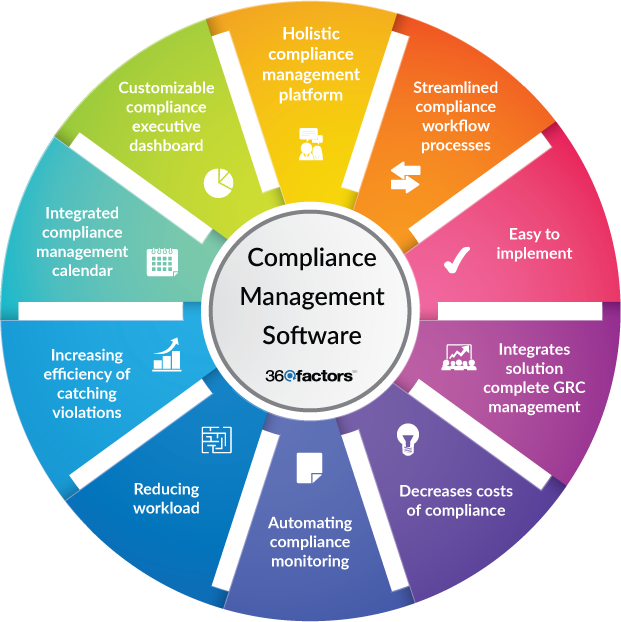
As a comprehensive solution, the Predict360 compliance management platform stands out as an ABA-endorsed solution provider for risk and compliance management. It offers a comprehensive suite of features that address every aspect of the compliance management process. This platform streamlines compliance monitoring, activity management, issues tracking, regulatory change management, document management, and much more, making it an indispensable tool for any financial enterprise. 

Features and Benefits 

Centralized Compliance Platform 

Predict360 Compliance Management Software consolidates all compliance-related information, data, discussions, and documents into a single platform. This centralization is crucial for maintaining an overview of the entire compliance management landscape. 

Real-Time Compliance Intelligence 

The platform provides executive dashboards that display real-time compliance intelligence and data, enabling proactive compliance management. 

Streamlined Workflow Processes 

Predict360 Compliance Management Software offers streamlined workflow processes for various compliance-related activities and users, enhancing efficiency and reducing the likelihood of errors. 

Read more…

In today's complex and ever-changing regulatory landscape, the importance of a robust Regulatory Change Management (RCM) strategy cannot be overstated. For organizations navigating this intricate environment, integrating effective RCM methodologies is not just a compliance requirement but a strategic imperative.

The challenge of keeping pace with the rapid rate of regulatory changes while ensuring that all aspects of an organization are compliant demands a systematic approach. This is where a comprehensive regulatory management system comes into play, offering a structured and efficient way to manage regulatory changes. By incorporating critical components into the RCM process, organizations can comply with current regulations while anticipating and preparing for future changes with the assistance of regulatory management software.

4 Effective Components to Integrate into Successful RCM Methodology

1.      Regulatory Taxonomy and Repository

Establishing a comprehensive and up-to-date regulatory taxonomy and repository is the keystone of an effective RCM process. This involves creating a detailed catalog of regulatory areas that impact the organization, logically categorized for ease of access and management.

2.      Regulatory Roles and Responsibilities

A successful RCM process requires clear accountability, ensuring the correct information reaches the right person. This involves identifying subject matter experts (SMEs) for each regulatory category. The use of regulatory management software can facilitate identifying and assigning these roles, ensuring efficient dissemination of information.

3.      Regulatory Content Feeds

To support the RCM process, organizations should identify the best intelligence-gathering sources on regulatory developments and changes. This includes content published by regulators, law firms, consultancies, and other expert sources. Regulatory management systems can efficiently manage these content feeds, using AI and natural language processing to make regulatory change management more effective.

4.      Standard Business Impact Analysis Methodology

Consistency in evaluating regulatory change is managed through a standardized impact analysis process. This process measures the impact of the change on the organization to determine if action is needed. Regulatory management software can automate and streamline this process, ensuring a consistent approach to evaluating the impact of regulatory changes.

12311261671?profile=RESIZE_710x

RCM Platforms Facilitate Smooth Processes

When it comes to Regulatory Change Management, integrating advanced technology solutions like Predict360 Regulatory Change Management software can transform how organizations approach regulatory compliance. Predict360 RCM solution offers a suite of tools designed to enhance the efficiency and effectiveness of RCM processes with the following features:

Comprehensive Regulatory Intelligence

Predict360 RCM solution consolidates regulatory updates, news, and intelligence from various external sources into a single feed. This ensures that organizations always have the most current information, a critical aspect of effective RCM facilitated by regulatory management software.

Automated Impact Assessment

The Predict360 RCM software provides automated assessments of the impact of regulatory changes, identifying affected business units based on risk mapping. This feature streamlines the process of understanding and responding to regulatory changes, a core function of an effective regulatory management system.

Integrated Change Management

Predict360 RCM tool offers a unified platform for managing regulatory changes, including intelligent analyzing of updates, and analyzing internal documents impacted by these changes. This integrated approach is essential for regulatory management software to ensure comprehensive compliance.


Read more…

In the dynamic business operations environment, the efficacy of effective vendor risk management cannot be overstated. With the increasing reliance on third-party vendors for myriad services, assessing and mitigating risks associated with these external partnerships has become a major concern for businesses worldwide. Let's discover the transformative power of Artificial Intelligence (AI) – a technological marvel that is revolutionizing vendor risk management.

Gone are the days when vendor risk assessment was a manual, time-consuming endeavor troubled by the potential for human error. Today, AI stands at the forefront of this domain, redefining traditional processes with exceptional efficiency and accuracy. By utilizing the capabilities of machine learning algorithms, AI is not just automating risk assessment but also enhancing its predictive capabilities.

This shift from a reactive to a proactive approach in managing vendor risks is a game-changer for businesses, allowing them to anticipate and mitigate potential issues before they accelerate into significant problems. This blog will uncover how AI is changing and revolutionizing vendor risk management, making it more efficient, predictive, and effective than ever before.

Role of AI in Vendor Risk Management

The beginning of AI in vendor risk management shows a significant paradigm shift from traditional, manual methodologies to a more dynamic, data-driven approach. This transformation is rooted in AI's power to process and analyze vast amounts of data with speed and precision that human efforts cannot fit. In vendor risk management, this capability translates into several groundbreaking advantages.

Firstly, AI-driven vendor risk management software solutions are transforming the way businesses conduct risk assessments. Often burdensome and prone to errors, traditional methods are being replaced by AI's automated procedures. These new systems utilize AI algorithms to sift through extensive datasets, extracting relevant information about vendor histories, financial stability, compliance records, and more.

Moreover, AI enhances the predictive capabilities in vendor risk management. By analyzing historical data and identifying patterns, AI algorithms can predict potential vendor risks and vulnerabilities. This predictive analysis is helpful for businesses, enabling them to anticipate and prepare for future challenges.

Another substantial aspect where AI makes its mark is continuously monitoring and evaluating vendor performance. AI vendor risk management systems can provide real-time insights into vendor activities, alerting businesses to any variations or potential risks that may arise during the course of a partnership. This ongoing observation ensures that companies maintain a constant overview of vendor relationships, adjusting risk management strategies as necessary.

12309877277?profile=RESIZE_710x

Tracking the Performance of All Vendors in a Unified System

The importance of advanced VRM tools has been accepted in recent years as they have noticeably improved the incorporation of AI in VRM. Solutions like Predict360 Vendor Risk Management Software are at the lead of this technological revolution, offering a comprehensive solution for tracking, managing, and monitoring vendor risks with predictive analytics.

Predict360 VRM Software streamlines the entire vendor risk management process, ensuring accountability and efficiency. This software provides a centralized data repository, which is crucial for collecting and managing information and documents about third parties in one place. One of the critical capabilities of this software is the automation of workflow processes. This feature allows for the collection of information from both employees and external vendors, which allows quicker risk management.

Predict360 VRM also enables the addition of new vendors and the completion of associated onboarding activities, driving the workflow for vendor information review and approval. Furthermore, the software allows for the categorization of the type and level of risk for each vendor or third party. This categorization is essential for businesses to tailor their risk management strategies according to the specific risks posed by different vendors.


Read more…

Reliance on third-party vendors and suppliers is genuinely expected in the modern business environment. This reliance, however, introduces a range of risks that need to be managed effectively. Vendor risk management (VRM) is essential for maintaining an organization's integrity, reputation, and competitive standing. This blog aims to highlight the five key types of vendor risks and emphasize the importance of managing these risks through strategic approaches, mainly vendor risk management software. 

By recognizing and proactively addressing these risks, businesses can ensure a more secure and resilient operational environment. Let's explore these vendor risk types in detail and discuss how to manage them effectively. 

12306182056?profile=RESIZE_710x

 
5 Significant Types of Vendor Risks 

In vendor risk management, understanding the various types of risks is crucial for developing an effective management strategy. Here are the five significant types of vendors risks that organizations should be aware of: 

Cybersecurity Risks 

In an era where data breaches and cyber-attacks are increasingly common, cybersecurity risks posed by vendors are a significant concern. Vendors may have access to an organization's sensitive data, and any security failures on their part can lead to significant data breaches.  

Businesses need to assess the cybersecurity measures of their vendors with the help of vendor risk management software and ensure they adhere to the highest data protection standards. 

Compliance Risks 

Vendors must comply with various regulatory requirements based on the industry and location. Non-compliance can result in legal penalties and damage to the reputation of the vendor and the hiring organization.  

Effective vendor risk management involves ensuring that all vendors comply with relevant laws and regulations, such as data protection laws and industry-specific standards. 

Financial Risks 

The financial stability of vendors is another critical area of concern to sustain vendor risk management. A vendor's economic problems, such as bankruptcy or significant debt, can disrupt the supply chain and impact the hiring organization's operations. Organizations need to periodically assess the financial health of their vendors to mitigate these risks. 

Operational Risks 

This type of risk involves the potential for a vendor's operational problems to affect the hiring organization. Operational risks include poor quality of goods or services, delivery delays, and other factors that can disrupt business operations. Vendor risk management for operational risks requires thoroughly evaluating the vendor's operational capabilities and track record of service delivery 

Reputational Risks 

A vendor's reputation can also affect on the hiring organization through association. If a vendor is involved in unethical practices or faces public scandals, it can harm the reputation of the organization they are associated with. Monitoring vendors' public perception and ethical standards is crucial in mitigating reputational risks. 

12306181297?profile=RESIZE_710x

Implement Vendor Risk Management Software to Stay Competitive 

In the face of the diverse vendor risks outlined earlier, implementing robust vendor risk management software becomes beneficial and essential for businesses looking to stay competitive and secure. Predict360 Vendor Risk Management (VRM) Software offers a comprehensive solution. 

Predict360 VRM application is designed to help financial organizations track, manage, and report vendor risks under a unified platform. This software simplifies vendor risk management by providing a centralized data repository for collecting information and documents about third parties. It covers the entire vendor lifecycle, from onboarding to performance evaluations, ensuring a thorough and continuous assessment of vendor risks. 

Key Features of Predict360 Vendor Risk Management Software 

  • Comprehensive Vendor Lifecycle Management
  • Advanced Risk Intelligence
  • Centralized Data Repository
  • Automated Workflow Processes
  • Integrated Risk Management

Predict360 VRM tackles the common challenges in vendor risk management, such as limited visibility into vendor performance, inefficient document management, and the increasing regulatory requirements for third-party compliance.  


Read more…

Compliance management in business is similar to citizens obeying the laws of their country. It involves adhering to a set of rules and legal boundaries set by various authorities. In this context, compliance management is the process of monitoring, assessing, and tracking systems to ensure adherence to applicable industrial, governmental, or regulatory legal requirements.

The significance of compliance management lies in how it helps businesses avoid legal complications, reduce security breaches, maintain certifications, and ensure business continuity.

3 Critical Challenges of Compliance Management

Evolving Regulatory Landscape

One of the most significant challenges in compliance management is keeping up with the rapid changes in regulations. The regulatory environment is constantly evolving and growing more complex each year due to factors like rapid technological adoption. This dynamic nature places immense pressure on companies to remain compliant.

Resource Limitations

Many businesses need help with resource constraints in their compliance management efforts. Implementing well-defined policies and safeguards requires adequate human resources, time, and technology. Often, companies resort to fragmented channels like emails and spreadsheets to meet regulatory requirements, leading to inconsistent compliance.

Incorporating an effective compliance management platform can help in this regard, as it enables various compliance-related activities to be completed on time and accurately.

Misunderstanding Regulations

The complexity of regulations often leads to confusion and unintentional non-compliance. For example, the GDPR requires explicit consent for data processing but does not clearly define what constitutes valid consent. This ambiguity can complicate compliance management efforts.

12300362662?profile=RESIZE_710x

Eliminate Challenges Effortlessly by Compliance Automation

Compliance automation is essential to address these challenges, mainly through a compliance management tool. Automation streamlines compliance management processes, ensuring businesses stay updated with regulatory changes, integrate compliance into business processes effectively, and securely manage data.

The Predict360 Compliance Management Software is a game-changing solution. This platform, endorsed by the American Bankers Association, offers a comprehensive suite for managing compliance efficiently and effectively. Predict360 Compliance Management Software is designed to overcome the challenges posed by legacy compliance practices, which are often time-consuming and inefficient. The platform ensures close coordination and integration with related functions like incident management, internal audit, and quality management. It also addresses the challenge of decentralized data and departmental silos, providing the compliance team with a unified view of all compliance issues.

Choosing Predict360 Compliance Management Software as your compliance management platform means selecting a solution that empowers organizations to predict risks and streamline compliance management. Its AI-powered solutions enable businesses to adapt and respond effectively to the ever-changing regulatory compliance landscape, making it an ideal choice for financial enterprises looking to enhance their compliance management strategies.


Read more…

In the complex business world, the significance of compliance management cannot be overstated. It is a crucial element that ensures organizations operate within legal and ethical frameworks. This blog explores three essential approaches to successful compliance management, offering insights into how businesses can effectively navigate and implement these strategies.

Compliance management is a critical process that ensures an organization adheres to legal, ethical, and internal standards. It's not just about following rules; it's about creating a culture that values integrity and accountability. Effective compliance management helps mitigate risks, avoid legal penalties, and maintain a positive reputation. It's a strategic approach that ensures long-term sustainability and trust in the business environment.

3 Significant Approaches to Compliance Management

The Strict, Top-Down Approach

This method is depicted by rigid enforcement of rules and policies from the higher levels of management. It leaves little room for flexibility, ensuring that all employees adhere to the set standards without deviation.

The Flexible, Hands-Off Approach

Unlike the strict approach, this method offers more autonomy to employees. This compliance management approach helps mitigate risks, avoid legal penalties, and maintain a positive reputation. It's a strategic approach that provides overarching guidelines but allows individuals the discretion to interpret and implement these within their work, fostering a culture of trust and responsibility.

The Collaborative, Shared Responsibility Model

This approach promotes a collective responsibility towards compliance. It involves a collaborative effort where everyone in the organization works together to understand, uphold, and contribute to the compliance standards, creating a unified compliance culture.

12293079668?profile=RESIZE_710x

Implementing a Compliance Management Program Successfully

Predict360 Compliance Management Software stands out as a next-generation compliance management platform, offering a comprehensive suite of tools to enhance compliance monitoring, insights, and predictions. This AI-augmented solution, endorsed by the American Bankers Association, revolutionizes how businesses approach compliance.

Innovative Features of Predict360

Predict360 Compliance Management Software is a holistic solution that addresses every facet of the compliance management process. Its features include:

  • Centralized Compliance Platform
  • Real-Time Executive Dashboards
  • Streamlined Workflow Processes
  • Cloud-Based Solution
  • Comprehensive GRC Management
  • Cost-Effective Compliance

Predict360 Compliance Management Software tackles the inefficiencies of legacy compliance practices by providing a seamless, integrated approach. It addresses challenges such as decentralized data, manual data entry, and ad-hoc analysis, which often slow down compliance processes. The platform ensures close coordination and integration of various compliance-related functions, making it an ideal solution for businesses facing complex compliance landscapes.

Conclusion

Understanding and implementing the right approach to compliance management is critical for any organization. Whether through a strict, hands-off, or shared model, the goal remains to ensure adherence to legal and ethical standards. A compliance management platform can significantly aid in this endeavor, providing a structured and efficient way to manage compliance-related activities.


Read more…

In the advanced world of finance, maintaining a clean schedule is crucial. Financial organizations conduct business within a web of regulations and legal standards, making compliance management a pivotal aspect of their operations. Regular compliance checkups are a regulatory requirement and a proactive measure to safeguard the organization’s reputation and operational integrity.

These checkups ensure the organization is on the right side of the law and meets regulatory expectations that often exceed legal provisions.

Reasons to Conduct Regular Compliance Checkups

Understanding why regular compliance checkups are necessary regarding compliance monitoring and testing is essential. They act as the organization’s safety net, identifying and managing risks related to non-compliance.

A robust risk and compliance software is instrumental in ensuring legal adherence, which is a moving target due to constantly evolving laws and regulations. Trust and reputation are the bedrock of financial organizations, and regular checkups fortify this foundation, building solid trust with stakeholders, business partners, customers, and regulators.

Comprehensive Approach to Compliance

A comprehensive approach to compliance involves addressing various aspects, including corporate ethics, international trade, governance, and data protection. It’s about creating a corporate culture that values ethical conduct and transparency.

Organizations should have clear and effective policies, conduct regular training, and communicate the importance of compliance to every employee with the assistance of risk and compliance software. This comprehensive approach ensures that the organization is not only compliant with the current regulations but is also prepared to adapt to future changes in the compliance landscape.

The Effective Compliance Monitoring & Testing App Automates the Regular Assessments

The journey of compliance is continuous and ever-evolving. It’s about staying vigilant, being proactive, and embracing technology to stay ahead of the curve. Financial organizations that incorporate compliance into their business and leverage technology through advanced risk and compliance software to enhance their compliance management are the ones that will thrive in the competitive and regulated economic landscape.

The Predict360 Compliance Monitoring & Testing Software stands out as a beacon of innovation and efficiency in compliance management. This software, endorsed by the ABA, is designed to streamline compliance monitoring processes and automate reporting, providing real-time insights into emerging issues and potential compliance challenges. It enables financial institutions to resolve issues promptly, ensuring the organization’s integrity and delivering results that exceed stakeholder expectations.


Predict360’s risk and compliance software provide workflow-based solutions to enhance productivity by automating compliance monitoring and testing activities, ensuring accountability throughout the process.

These solutions facilitate a continuous flow of communication, providing a single collaborative space across business lines and compliance teams. They drive accountability and manage expectations with real-time access to help close out action items promptly.

Read more…

What Is Compliance Management

Compliance management is the continuous monitoring and evaluation of systems to ensure they comply with industry standards, corporate policies, and regulatory requirements. Organizations must ensure that their systems are secure and meet all relevant standards. This approach to compliance management meets the NIST 800 criteria and ensures that organizations align with industry and security standards.

Why Having an Effective Compliance Management Framework Is Necessary

A compliance management framework is an integral part of every organization's structure. It comprises compliance tools, processes, functions, and controls established by the top management. The benefits of these compliance procedures include preventing legal breaches, providing operational guidelines, and supporting report generation. A practical framework is essential for the overall growth of a business, ensuring adherence to laws, regulations, and specifications.

4 Significant Elements of Compliance Management Framework

Compliance Program

Every business must have a compliance management platform or program that includes policies set by management, processes tailored to the company's offerings, and training for employees. This compliance management approach ensures that rules are adhered to, and corrective actions are taken when necessary.

Commitment from the Board of Directors

The Board of Directors acts as the management oversight. Their commitment to compliance management is crucial for the successful implementation of a framework. They should lead by example, establish a code of conduct, and ensure the management follows proper compliance functions.

Consumer Complaint Program

Feedback from consumers is vital. Consumer complaint programs help organizations understand product satisfaction levels and enhance their reputation. Methods like social media, reviews, and questionnaires can be used to gather feedback.

An Audit from an Independent Body

Regular compliance audits are essential to review an organization's adherence to laws and internal policies. These audits should be conducted by an independent body to ensure unbiased reviews. The audit helps identify compliance risks and ensures ongoing adherence by employees.

12271427293?profile=RESIZE_710x

Conclusion

Implementing a robust compliance management framework is not just a regulatory necessity but a strategic move that offers numerous benefits. From safeguarding against legal breaches and financial penalties to building a reputable brand, the advantages are manifold. As highlighted, the four essential components – a comprehensive compliance program, commitment from the board, a consumer complaints program, and regular audits – form the backbone of a practical framework.

Predict360 Compliance Management Platform offers a next-gen solution. As an ABA-endorsed solution provider for compliance management, it stands out with its unique features:

Unified Platform

Predict360 Compliance Management Software offers a single platform for all compliance-related information, data, discussions, and documents, ensuring a centralized approach to compliance management.

Real-time Insights

Executive dashboards provide real-time compliance intelligence, enabling proactive compliance management and ensuring businesses can anticipate and address compliance issues before they escalate.

Streamlined Workflows

The software offers tailored workflow processes for various compliance activities, ensuring efficient management and execution.

Cloud-based Solution

Being cloud-based, Predict360 Compliance Management Software is easy to implement, allowing businesses to quickly adapt and benefit from its features from anywhere.

Cost Efficiency

It enhances compliance levels while reducing associated costs through automation, real-time monitoring, and efficient data management.

Read more…
lead